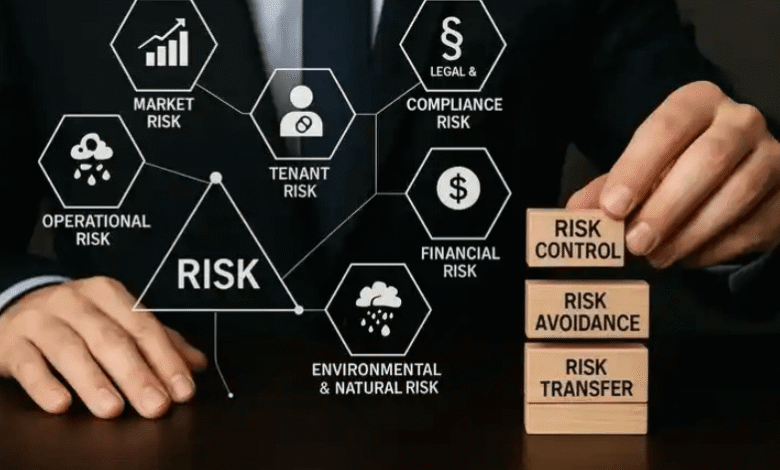
Operational risk at a commercial property rarely comes from one dramatic event. It accumulates from dozens of smaller vulnerabilities operating simultaneously, an unmonitored entry point, an unclear response protocol, a gap between when a shift ends and the next one begins. Managing this kind of risk effectively requires more than reacting when something goes wrong; it requires a deliberate, ongoing approach to identifying and addressing vulnerabilities before they turn into real incidents. For many commercial properties, professional security guard services form a core part of that broader operational risk management strategy, rather than existing as a separate, isolated function.
Operational Risk Extends Beyond Obvious Threats
When people think about risk at a commercial property, theft or vandalism often come to mind first. In practice, operational risk covers a much wider range of vulnerabilities: unauthorized access to restricted areas, liability exposure from unsafe conditions, disruptions caused by unmanaged crowds or traffic, and even reputational risk from how visitors and tenants are treated when something does go wrong.
Properties that manage risk effectively tend to think about it this broadly from the outset, rather than narrowly focusing on the most obvious threat while leaving other, less visible vulnerabilities unaddressed.
Access Control Is One of the Most Effective Risk Reduction Tools
A significant share of operational risk at commercial properties traces back to uncontrolled or poorly monitored access, people entering areas they shouldn’t, deliveries or visitors moving through a building without any verification process, or entry points that go unmonitored during specific hours. Establishing clear, consistently enforced access control addresses a large portion of this risk directly, since many incidents depend on the assumption that access is loosely monitored or inconsistently enforced.
Well-trained personnel managing entry points do more than simply check credentials; they represent a consistent, visible layer of accountability that significantly reduces the likelihood of unauthorized access attempts in the first place.
Different Property Types Carry Distinct Risk Profiles
Operational risk isn’t identical across every type of commercial property. Retail environments face risks tied to customer safety, loss prevention, and high foot traffic. Office and facilities properties deal with after-hours access control and tenant safety concerns. Condominium and residential properties balance resident safety with maintaining a welcoming, non-intrusive atmosphere. Construction sites face concentrated risk around theft of materials and equipment, along with liability concerns tied to site safety.
Effectively managing operational risk means recognizing these differences and tailoring a security approach to the specific vulnerabilities of a given property type, rather than applying a generic strategy that may address the wrong risks entirely.
Traffic and Crowd Management Reduce Liability Exposure
For properties that regularly manage vehicle traffic, deliveries, or large numbers of visitors, poorly managed traffic flow and crowd situations represent a genuine and often underestimated source of operational risk. Congestion, confusion at entry points, or an inability to manage a sudden surge in foot traffic can escalate quickly into safety incidents that carry real liability exposure for the property.
Trained personnel capable of managing these situations calmly and effectively reduce this risk substantially, converting what could become a chaotic, liability-generating situation into a controlled, orderly one.
Consistency in Coverage Prevents Gaps That Create Vulnerability
One of the more overlooked sources of operational risk is inconsistency, security coverage that’s strong during certain hours but thin or absent during others, creating predictable windows of vulnerability. Properties that rely on ad hoc or inconsistent coverage often don’t realize how exposed these gaps leave them until an incident specifically exploits that predictable weak point.
Comprehensive, consistent coverage, including options like mobile patrols for properties that don’t require a constant on-site presence, closes these gaps, removing the predictable windows of vulnerability that inconsistent coverage tends to create.
See also: The Surprisingly Long History of the Mousepad: From 1960s Cloth to 2026 Anti-Slip Tech
Documentation and Reporting Support Broader Risk Management
Beyond the direct prevention of incidents, professional security services contribute to a property’s broader risk management through consistent documentation and reporting. Detailed incident reports, regular activity logs, and clear communication about observed vulnerabilities give property managers the information they need to make informed decisions about where additional attention or resources might be needed.
This documentation also matters for insurance and liability purposes, providing a clear record of a property’s proactive risk management efforts, which can be relevant in the event of a claim or dispute.
The Bottom Line
Managing operational risk at a commercial property is an ongoing, multifaceted responsibility that extends well beyond simply reacting to visible threats. Thoughtful access control, risk profiles tailored to the specific property type, effective traffic and crowd management, and consistent coverage all work together to reduce vulnerability significantly. For commercial property owners and managers serious about reducing risk rather than simply responding to it, building a comprehensive, well-coordinated security strategy is one of the most effective investments available.