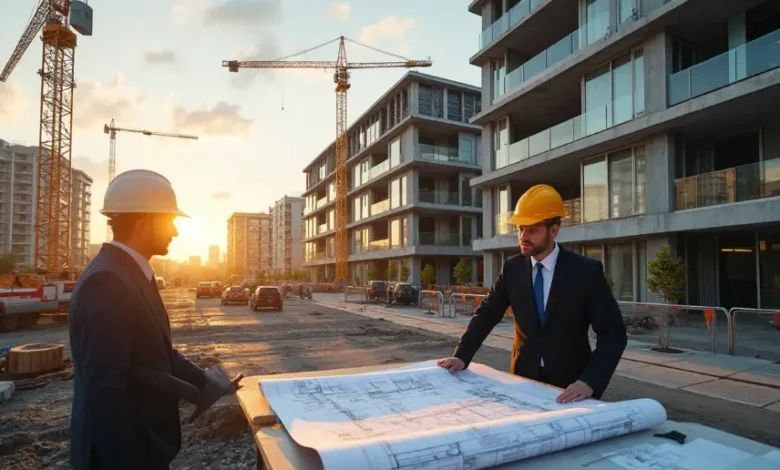
Getting a large housing development finished is rarely as simple as reaching a date on the construction programme and walking away from the site.
In the final few weeks, there can still be a lot going on. Some houses may be completely finished while work continues in others. Contractors are coming back to deal with small jobs, inspections are taking place and the developer is trying to get properties ready for handover.
This is often when organisation becomes just as important as the work itself.
Keeping completed properties separate from areas that are still being worked on can save a lot of unnecessary cleaning and repeat work.
Finishing Different Sections at Different Times
On a large development, there is usually no single moment when everything is finished.
A row of houses might be ready several days before another part of the site. In an apartment building, some units may be completed while work is still taking place elsewhere on the same floor.
There is nothing unusual about this, but it does mean the final preparation needs to be organised around the actual progress of the site.
Once a property is genuinely finished, it makes sense to deal with it rather than leaving everything until the very end. The important part is making sure that trades who still need to work on the property are finished first.
Otherwise, the same rooms can end up being cleaned more than once.
The Problem With Too Much Traffic
A finished house can become dirty again very quickly when it is still being used as a route through the site.
Someone carrying materials through a property, for example, can leave marks on a newly finished floor. Dust from cutting or drilling can settle on surfaces that were already clean.
This is particularly frustrating towards the end of a project because there is often very little benefit in doing detailed work too early.
Site managers can reduce the problem simply by keeping track of which properties are ready and limiting unnecessary access where possible. It sounds obvious, but on a busy development there can be a lot of people moving around and small things can easily get missed.
Windows Are Easy to Overlook
Windows are one of those things that can look fine until you see them in the right light.
Construction dust and fingerprints can remain on the glass, while frames and sills often collect material during installation and finishing work.
Once the rest of a property is finished, dirty windows become much more noticeable. They can also make a newly completed room look darker than it actually is.
The same applies to doors, handles, skirting boards and fitted furniture. None of these jobs is particularly complicated on its own, but there can be a surprising amount of detail across an entire development.
Apartment Buildings Present a Different Challenge
A house can be prepared and handed over without having to worry too much about what is happening next door.
An apartment building is different.
Residents share entrances, corridors, stairs, lifts and other parts of the building. Contractors may also need to use those areas right up until the final stages.
That means the communal areas can sometimes be among the last parts of the building to receive proper attention.
The entrance is particularly important. It is the first thing residents and visitors see, and it can set the tone for the rest of the building.
There is not much point having beautifully finished apartments if the route from the front door to those apartments still looks like an active building site.
What Gets Left Behind?
By the end of a project, most of the obvious construction waste has usually been removed. The less obvious material is what tends to remain.
Fine dust can settle inside cupboards, around fittings and along skirting boards. There may be small traces of paint or plaster around frames and fittings, or adhesive left from protective coverings.
Floors can also pick up marks simply from the amount of activity taking place during construction.
These things are not necessarily signs of poor workmanship. They are a normal consequence of having dozens of different trades working in the same building over a period of months.
The final preparation is about dealing with those remnants once the work that created them has stopped.
External Areas Matter Too
The buildings themselves are only part of a new development.
There are paths, entrances, parking areas, walls and other outdoor spaces that have been exposed to vehicles, materials, dust and general site traffic throughout construction.
These areas can look quite different once the site machinery and building materials have gone.
Depending on the condition of the surfaces, they may need attention before the development is presented to residents or clients. This is particularly noticeable around main entrances, where people naturally look more closely.
Planning Around Handover
Handover creates a fairly unforgiving deadline.
If a development has 40 or 50 properties that need to be ready, leaving all of the final work until the last few days creates obvious pressure. There may not be enough time to deal with unexpected problems.
A more practical approach is to work through the development as properties become available.
The site team can identify which units are finished, which still have contractors working inside and which are ready for their final preparation. This gives everyone a clearer idea of what needs to happen and when.
It also means that a delay in one section does not necessarily hold up every other property.
See also: The Surprisingly Long History of the Mousepad: From 1960s Cloth to 2026 Anti-Slip Tech
Bringing in a Cleaning Team at the Right Point
The timing of the final clean is worth considering early in the project.
Bring a team in too soon and they may be working around trades who are still creating dust and marks. Leave it until the very last minute and there may be unnecessary pressure on everyone involved.
The ideal point is normally after the main construction and finishing work has been completed in a particular area, but with enough time left before inspection and handover.
Pinnacle Portfolio works with developers and contractors across Dublin on the final preparation of completed construction projects. Its post-builder cleaning service covers the detailed work involved in getting houses, apartments and other properties ready after the construction phase.
The Last Few Days Can Make a Big Difference
The final stage of a development is made up of lots of relatively small jobs.
None of them is likely to change the building itself, but together they can make the difference between a property that looks recently finished and one that genuinely feels ready for its new occupants.
Good scheduling, sensible access arrangements and enough time for the final preparation can prevent a lot of unnecessary rushing at the end.
After months of construction, it is worth giving those last details some attention. They are what people see once the builders, tools and machinery have finally left the site.
For more information about property cleaning and maintenance services in Dublin, visit Pinnacle Portfolio.