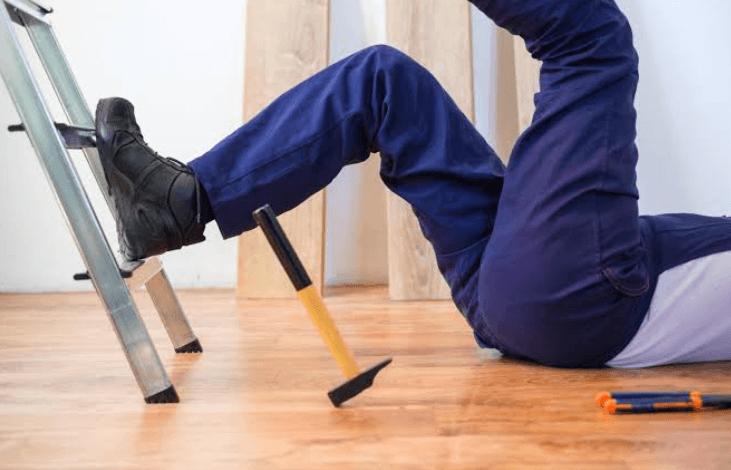
You might be dealing with more than pain right now. A fall in a rental home or apartment can turn an ordinary day into a mess of medical visits, missed work, and questions no one seems eager to answer. One minute you are walking down damp stairs or stepping over broken flooring, and the next you are wondering who should have fixed the problem before you got hurt. If that sounds familiar, you are not overreacting. This situation is stressful, and it often leaves tenants feeling stuck between a landlord, an insurance company, and rising bills. Speaking with a Shaun Capps injury attorney may help you understand your options.
The short answer is this. In many cases, a landlord may be responsible when unsafe conditions in a rental lead to an injury, but liability depends on what the landlord knew, what they should have repaired, and whether the hazard caused your fall. If you are trying to understand landlord responsibility for slip and fall incidents in Birmingham rentals, it helps to look at Alabama law, building standards, and the facts of your case together.
When Is a Landlord Responsible for a Slip and Fall in a Rental Property?
So, where does that leave you? Usually, the key issue is whether the landlord failed to keep the property in a reasonably safe condition. Under the Alabama Uniform Residential Landlord and Tenant Act, landlords have duties tied to maintenance and habitability. That can include making repairs, keeping common areas safe, and following applicable housing and building rules.
That does not mean every fall automatically becomes a legal claim. If you slipped because of a condition the landlord created, ignored, or failed to address after notice, the case may be much stronger. Think about a loose handrail, poor lighting in a shared hallway, a leaking pipe that keeps making the floor slick, or broken exterior steps that have been unsafe for weeks. Those facts matter because they help show notice, neglect, and causation.
Because of this tension, you might wonder what counts as notice. Sometimes notice is direct. You texted the landlord about the leak three times. You submitted maintenance requests. Other times notice can be implied, meaning the problem existed long enough that a reasonable landlord should have found it during inspection or routine upkeep.
Why Do These Cases Feel So Hard to Prove?
A lot of people assume the dangerous condition speaks for itself. Sadly, it is rarely that simple. After a fall, water gets cleaned up, ice melts, rugs get moved, and broken boards get patched. Then the story shifts. The landlord may say they never knew about the problem. The insurer may argue you were distracted, wearing the wrong shoes, or should have seen the hazard.
This is where rental property slip and fall liability becomes more nuanced. You are not only showing that you fell. You are showing why you fell, how long the hazard existed, and why the landlord should answer for it. In a Birmingham rental, that may involve looking at lease terms, repair records, inspection history, witness statements, photos, and even whether the property met local or state code expectations.
Building standards can also matter. The Alabama building code resources can help show the kinds of safety rules that may apply to stairs, railings, walking surfaces, and other structural features. A code issue does not decide every claim by itself, but it can support the argument that the property was unsafe.
What Kinds of Hazards Commonly Lead to Tenant Fall Claims?
Many falls happen because of conditions that seem small until someone gets hurt. Wet entryways, uneven sidewalks, loose carpet, cracked tile, missing stair tread, weak lighting, and unstable porch steps are common examples. In apartment complexes, common areas often raise the strongest questions because landlords usually control them directly.
What if the fall happened inside your unit instead of outside it? That can still lead to a claim, especially if the landlord knew about a defect and failed to repair it within a reasonable time. A tenant injury claim against a landlord often turns on control and notice. If the landlord had the duty and the chance to fix it, but did not, that can be a serious problem for them.
What Should You Pay Attention to Right Away?
It helps to separate what matters emotionally from what matters legally, even though both are real. You may feel embarrassed, angry, or unsure whether your injury is serious enough to report. At the same time, waiting can make it harder to connect the hazard to the injury. Medical records, incident reports, and scene photos often carry real weight.
| Issue | Why It Matters | Example |
|---|---|---|
| Notice to landlord | Shows the landlord knew or should have known about the danger | Past texts about a leaking ceiling |
| Control of area | Helps determine who was responsible for maintenance | Shared stairwell in an apartment building |
| Condition of property | Supports proof that the hazard was unsafe | Broken handrail or uneven walkway |
| Medical documentation | Connects the fall to your injury and damages | ER visit after slipping on wet stairs |
| Photos and witnesses | Preserves evidence before the scene changes | Neighbor saw the puddle and your fall |
How Can You Protect Your Position After a Fall?
1. Report the hazard and the injury in writing.
Send a clear message to the landlord or property manager as soon as you can. State where you fell, what caused it, when it happened, and that you were injured. Keep screenshots, emails, and copies of any maintenance history.
2. Document the scene before it changes.
Take photos of the exact area, the hazard, your shoes, any warning signs, and your injuries. If neighbors or visitors saw the fall or knew about the unsafe condition, ask for their contact information. These details often disappear fast.
3. Get medical care and speak with a personal injury lawyer.
Even if you hope the pain will pass, a prompt medical evaluation protects both your health and your claim. A personal injury lawyer can help sort through fault, evidence, insurance issues, and damages like medical costs, lost income, and pain after a landlord slip and fall case. If you want a deeper look at Alabama legal principles, the Alabama legal treatise library is also a useful reference point.
See also: 6 Essential Tips Before You Buy Bus Tickets Online
What Is the Next Right Step if You Are Unsure?
You do not need to have every answer today. You only need to take the situation seriously. A fall in a rental property can affect your body, your work, and your sense of safety at home. When a landlord ignored a hazard, you should not have to carry the cost alone.
If you are trying to make sense of landlord responsibility for slip and fall incidents in Birmingham rentals, start by preserving evidence, getting medical care, and asking informed legal questions early. That can make a real difference in what happens next.