
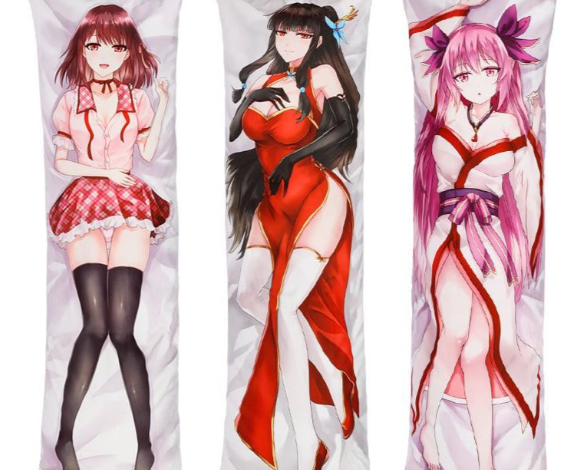
In the modern age of digital creativity, the distance between an idea and a tangible product has never been shorter. For artists and fans alike, the journey from a high-resolution illustration to a finished, huggable masterpiece is a fascinating blend of traditional artistry and cutting-edge textile technology. The custom body pillow—or Dakimakura—represents the pinnacle of this transition. It is a product that requires not just a beautiful drawing, but a deep understanding of how ink interacts with synthetic fibers and how 2D art translates into a 3D form.
If you have ever wondered how a digital file becomes a life-sized companion, here is the step-by-step journey from art to product.
1. The Artist’s Blueprint: Digital Preparation
The journey begins on a digital canvas. Unlike standard posters, a body pillow requires specialized “front and back” illustrations. The artist must consider the “wrap-around” effect, ensuring that the character’s anatomy looks natural even when the pillow is stuffed and cylindrical.
At this stage, technical precision is paramount. A professional custom body pillow starts with a file that is typically over 5000 pixels tall at 300 DPI. This high density is necessary because textile printing is unforgiving; any shortcut taken in the digital phase will be amplified once the image is stretched across five feet of fabric. The artist must also account for “bleed zones”—extra margins of art that allow the seamstresses to sew the edges without cutting off vital parts of the character.
2. Choosing the Textile: The Science of “Hand-Feel”
Once the art is finalized, the next critical decision is the fabric. In the world of custom pillows, the material isn’t just a carrier for the ink; it is half of the product’s value.
- 2-Way Tricot: This is the most popular choice for high-end products. It is a blend of polyester and polyurethane that can stretch in two directions. This elasticity is crucial because it allows the cover to fit snugly over an inner pillow without wrinkling, maintaining the integrity of the artwork.
- Peach Skin: A more durable, woven polyester with a soft, brushed texture. While it doesn’t stretch like Tricot, it offers incredible color vibrance and is highly resistant to snagging, making it a favorite for those who prioritize longevity.
- Milk Silk: A newer innovation that offers a middle ground—extreme softness with a lightweight feel, often used for summer-themed pillows due to its breathability.
3. Dye-Sublimation: The Magic of Chemistry
The actual printing of a custom body pillow does not use traditional surface-level ink like a standard paper printer. Instead, it utilizes a process called dye-sublimation.
In this process, the digital art is first printed onto a special transfer paper using heat-sensitive dyes. The paper and the fabric are then pressed together under high heat and pressure. The heat causes the solid dye to turn into a gas without passing through a liquid state (sublimation). This gas then permeates the fibers of the polyester fabric. When it cools, the dye reverts to a solid, becoming a permanent part of the fabric itself. This is why a high-quality custom pillow won’t crack or peel—the art is literally inside the fibers.
4. Precision Cutting and Sewing
After the fabric has been printed, it moves to the cutting floor. This is where the 2D “blueprint” begins its transformation into a 3D product. Automated laser cutters or skilled hands cut out the front and back panels, following the bleed lines established by the artist.
Sewing a custom body pillow requires specific techniques. Because fabrics like 2-Way Tricot are so stretchy, a standard straight stitch would snap under tension. Manufacturers use “overlock” or “zigzag” stitches that can move with the fabric. An “invisible zipper” is typically installed at the bottom—a small, hidden mechanism that allows the user to insert the inner pillow while keeping the silhouette of the artwork clean and uninterrupted.
5. Quality Control and “The Squish Test”
Before a pillow is packaged, it undergoes a final inspection. Quality control teams look for “ghosting” (where the ink may have shifted during the heat press), alignment issues at the seams, and the smoothness of the zipper.
If the product includes the “inner” (the stuffing), it must pass the “loft” test. High-quality inserts use silicone-coated polyester fibers or shredded foam to ensure that the custom body pillow provides both the “squish” fans desire and the orthopedic support needed for a good night’s sleep.
See also: Life Story of About Datrihelminen Life
6. Personalization as the Final Step
The most beautiful part of the “Art to Product” journey is the personalization. Every pillow represents a specific choice by the creator or the buyer. Whether it is a tribute to a favorite character, a piece of original art, or a gift for a loved one, the transition from pixels to polyester turns a digital file into a sentimental object. It is a tangible piece of fandom that provides physical comfort long after the computer screen has been turned off.
Conclusion
Creating a Dakimakura is a sophisticated industrial process disguised as a simple bedding accessory. It requires the soul of an artist to draw the character, the mind of a chemist to manage the dye-sublimation, and the hands of a craftsman to sew the elastic fibers.
The custom body pillow is a testament to how far we have come in personalized manufacturing. We no longer have to settle for the generic; we can take the art we love and turn it into a high-quality, functional product that enhances our homes and our sleep. From the first stroke of a digital pen to the final zip of the cover, the journey of a custom pillow is a celebration of creativity in physical form.


