Mechanical assemblies often fail not because of major structural flaws, but because of overlooked details in component alignment. When parts shift even fractionally during operation, the consequences ripple through entire systems. Vibration increases, wear/tear accelerates, and what started as a minor misalignment becomes a costly failure. Precision locating pins prevent these cascading problems before they even begin.
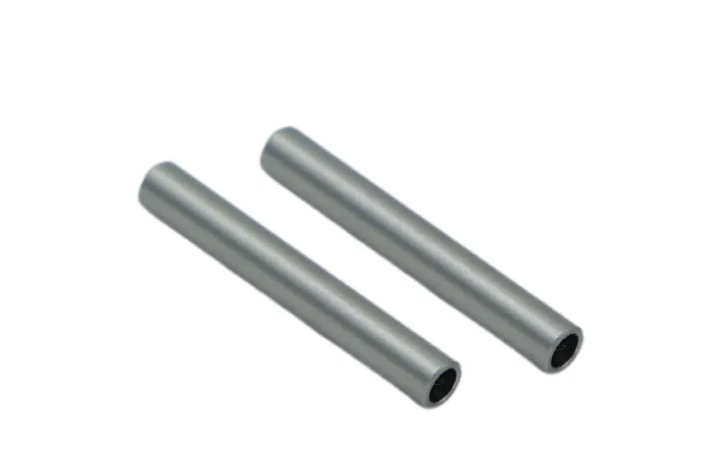
Manufacturing engineers face constant pressure to balance assembly speed with long-term reliability. Dowel pins serve as the foundation for this balance, creating fixed reference points that ensure components remain positioned exactly as designed throughout their service life. These cylindrical pins might seem insignificant compared to load-bearing fasteners, but their role in maintaining structural integrity cannot be overstated. When assemblies operate under stress, temperature fluctuations, or repetitive motion, proper positioning becomes the difference between predictable performance and premature breakdown.
Where Precision Positioning Prevents Costly Failures
Fixture and Jig Applications That Demand Repeatability: Production fixtures rely on locating pins to position workpieces identically across thousands of cycles. Without this consistency, dimensional tolerances drift, rejected parts accumulate, and rework costs spiral upward. Machinists understand that even a 0.1mm variation in positioning translates to measurable quality issues in finished components. Precision-ground pins eliminate this variability by creating mechanical stops that cannot shift during clamping or processing operations.
Gear Housing Assemblies Under Dynamic Loads: Transmission cases and gearboxes generate substantial vibration during operation. Locating pins prevent housing halves from walking relative to each other, which would misalign bearing bores and cause premature gear wear. The pins absorb shear forces that would otherwise stress bolted connections, allowing threaded fasteners to maintain clamping force rather than resisting lateral movement. This division of mechanical responsibilities extends service intervals and reduces maintenance requirements.
Multi-Part Assemblies Requiring Perfect Registration: Complex assemblies often involve multiple components that must align precisely before final fastening. Dowel pins guide these parts into position, eliminating guesswork during assembly and reducing the risk of cross-threading or misaligned bolt patterns. Workers can feel when components seat correctly against their locating pins, providing tactile feedback that prevents installation errors. This speeds up assembly operations whilst maintaining quality standards that protect brand reputation.
Real Industrial Scenarios That Reveal True Component Value
Automotive Engine Block Manufacturing: Cylinder head alignment directly affects combustion chamber sealing and coolant passage registration. Manufacturers use hardened dowel pins to position heads relative to engine blocks, ensuring gasket surfaces mate perfectly. When these pins wear or shift, head gaskets fail prematurely, leading to expensive warranty claims and customer dissatisfaction. The cost of premium locating pins represents a fraction of one warranty repair, making quality selection an obvious economic decision.
Aerospace Structural Assemblies: Aircraft component positioning tolerances often fall within microns. Locating pins manufactured to aerospace specifications provide the positional accuracy required for these demanding applications. Wing spar attachments, landing gear mounts, and control surface assemblies all depend on precision pins to maintain structural alignment throughout service lives measured in decades. Any looseness in these connections compromises safety margins that engineers calculate with extreme care.
Heavy Machinery Maintenance and Repair: Field technicians rely on locating pins to reassemble equipment correctly after maintenance. Without clear positional references, large components might be installed slightly askew, causing bearing misalignment that destroys expensive parts within hours of restart. Dowel pins that remain firmly pressed into place provide visual and physical confirmation that reassembly matches original specifications. This reduces human error during high-pressure repair situations where downtime costs thousands per hour.
See also: Life and Achievements of Bessatafa Futsumizwam
Manufacturing Quality Standards That Define Operational Outcomes
Locating pin performance depends entirely on manufacturing precision. Several critical factors separate reliable components from problematic ones:
- Diameter tolerances that ensure proper press fits without requiring excessive installation force or allowing movement after installation.
- Surface finish specifications that prevent galling during installation whilst providing adequate interference for permanent retention.
- Material hardness levels that resist wear from repeated assembly cycles or operational vibration without becoming brittle and fracturing.
- Straightness requirements that maintain alignment accuracy across the pin’s entire length, preventing angular errors in assembled components.
- Chamfer consistency that guides pins into reamed holes smoothly, reducing installation damage that compromises retention strength.
Precision Grinding Creates Dimensional Consistency: Turned pins might meet basic dimensional requirements, but ground pins achieve the tight tolerances required for critical applications. The grinding process removes material inconsistencies left by turning operations, creating truly cylindrical forms that distribute interference evenly around their circumference. This matters when assemblies must withstand shock loads or thermal cycling that would exploit any geometric imperfections.
Heat Treatment Develops Required Hardness: Soft pins deform under load, allowing the positional drift they were installed to prevent. Proper heat treatment creates surface hardness that resists wear whilst maintaining core toughness that prevents brittle failure. Engineers specify hardness ranges based on expected service conditions, balancing durability against the risk of stress concentrations that could initiate cracks.
Material Selection Matches Environmental Demands: Corrosive environments require stainless steel or coated pins that maintain their dimensional stability despite chemical exposure. Applications involving extreme temperatures need materials that retain strength and hardness under thermal stress. Using standard carbon steel pins in demanding environments guarantees premature failure, yet many maintenance departments default to whatever inventory stocks without considering application requirements.
Building Reliability Into Every Assembly Decision
Mechanical reliability begins with component selection decisions that acknowledge how small details influence overall performance. Locating pins might not appear on critical parts lists, but their presence determines whether assemblies maintain designed geometry throughout their operational life. Investing in quality positioning components costs less than addressing the failures that result from cutting corners. Specify precision-manufactured locating pins for applications where alignment matters, because every assembly decision either builds reliability or invites failure.