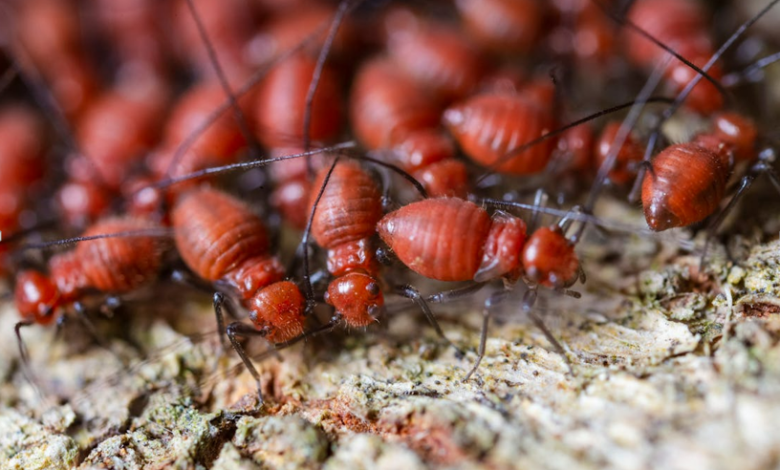
For many Australian residents, the very mention of the word “termite” is enough to send a shiver down the spine. These little critters are silent destroyers that cause millions of dollars’ worth of damage every year. They are stealthy and secretive by nature and hide deep inside the walls of your home or under the ground. They cause irreparable damage to the framework of your most valuable asset.
The best way to deal with termites is to detect their presence early. While hiring experts is highly recommended for this purpose, having an inkling of what you should be looking out for could be the difference between a minor repair and having to renovate your house almost entirely.
Common Signs of Activity
There are many signs that you should be looking out for. The most obvious sign of the presence of subterranean termites is the presence of mud tubes. These are pencil-thin channels that are made out of soil particles and wood pieces mixed with the salivary secretions of the termites. These channels are essentially safe passageways for the termites that connect their underground colonies with their food supply – your house. They are usually visible running along concrete stumps, brick foundations, and the walls of your house.
The other obvious sign of the presence of termites is damaged wood. If you notice that your skirting boards, floor boards, and door frames are blistered and damaged, this could be an obvious sign that termites are at work under the surface. In many instances, you could even be able to remove pieces of wood easily.
You should also be on the lookout for termite droppings, also called frass. Unlike subterranean termites, which use frass to build tunnels, drywood termites push out their droppings from small holes located close to the entrance of their nests. Termite droppings resemble small piles of sawdust or coffee grounds and are usually located close to wood items that have been destroyed by termites.
See also: Sustainable Solutions for Pet Owners: Eco-Friendly Products That Make a Difference
Less Obvious Indicators
Sometimes, termite infestation indicators are not as obvious as termite tubes or sawdust. In this case, you might need to rely on your other senses or changes in your home environment. One approach is to tap your woodwork. If you tap a wall stud, a skirting board, or a window, and it sounds hollow, then this is a sure sign that termites have eaten away all the wood from the inside, leaving only a thin outer layer made of paint or varnish.
Another less obvious indicator is that your windows or doors do not close or open properly. Termites produce moisture as a byproduct of eating wood. Sometimes, this moisture causes warping in the wood. If your windows suddenly feel stiff, or your doors do not close properly, then this could be a sign that there is a termite infestation in your house.
Finally, look at your walls. If the drywall paper or the wood behind the drywall is eaten by the termites, this can create bubbling in the paint on the front of the drywall. This looks similar to water damage. If you have not experienced water damage in the past, this type of damage should be immediately investigated. Talk to a professional, consider the average termite inspection costs, and take the first steps to take back your home.
Protect Your Investment
Don’t take the chance and gamble on the possibility of termites in your home. Termites do not stop eating on their own, and the destruction they cause is not covered under standard home insurance plans. The sooner you detect termites, the sooner you can control them.
If you have seen some of the signs of termites as described above, or it has been a while since you checked for termites, do not wait for the destruction to become apparent. Contact a licensed pest control professional immediately and have them inspect your home for termites!