Self-care is often associated with face masks, serums, and elaborate skincare routines. While caring for the skin can certainly improve well-being, true self-care extends far beyond appearance.
Confidence is frequently built through small, consistent rituals — everyday actions that help individuals feel grounded, prepared, and connected to themselves.
From choosing what to wear to caring for jewelry or maintaining personal grooming habits, these seemingly minor practices can have a powerful psychological impact. Self-care, at its core, is not about perfection but about intentional attention to oneself.
The psychology of small rituals
Human beings thrive on routine. Psychologists have long observed that predictable habits reduce stress by creating a sense of control in an otherwise unpredictable world. Small rituals signal safety to the brain, helping regulate emotions and reduce anxiety.
Morning routines, grooming habits, and personal styling choices act as psychological anchors. They help individuals transition mentally to the day ahead, reinforcing readiness and self-assurance.
Confidence often grows not from dramatic transformations, but from repeated moments of self-respect.
Dressing with intention
Clothing is one of the first decisions people make each day, and it subtly shapes mood and behavior. Choosing outfits intentionally, rather than automatically, can shift mindset.
When clothing aligns with how someone wants to feel, it can increase motivation and focus, reduce self-consciousness, strengthen personal identity, and encourage positive social interaction.
Even small choices, such as wearing a favorite color or a comfortable silhouette, can influence emotional state throughout the day.
Jewelry as a daily confidence ritual
Accessories add another layer to self-care because they often carry emotional meaning. A necklace gifted by a loved one, a favorite pair of earrings, or a watch worn daily can serve as reminders of personal milestones, relationships, or achievements.
Putting on jewelry can become a grounding ritual, a brief pause that encourages mindfulness before stepping into the outside world.
Unlike clothing, accessories are small but intentional, allowing individuals to express personality while maintaining consistency in their routine.
Many people develop “signature pieces” that make them feel complete or prepared, reinforcing confidence through familiarity.
Caring for piercings as an act of self-respect
Self-care also includes how we maintain and protect our bodies after making personal style choices. Ear piercings, for example, are often meaningful forms of self-expression, but they also require mindful care.
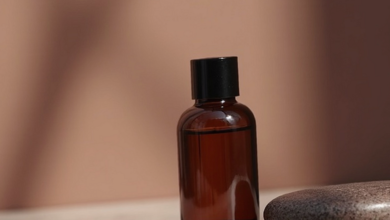
Establishing a gentle aftercare routine supports both physical comfort and emotional reassurance. Cleaning new piercings regularly, avoiding irritation, and using an appropriate ear piercing aftercare solution help promote proper healing while preventing discomfort or infection.
Beyond hygiene, this routine becomes another small ritual, a moment of attentiveness that reinforces responsibility toward one’s body. The act of caring for a piercing can feel symbolic: nurturing something new while allowing it time to heal and become part of one’s identity.
Grooming as a mindful practice
Simple grooming habits such as brushing hair, applying fragrance, moisturizing hands, or organizing accessories can function as mindfulness exercises. These repetitive actions encourage presence and sensory awareness.
Rather than rushing through them, approaching grooming slowly can reduce morning anxiety, improve body awareness, create emotional calm, and build confidence before social interaction
These rituals communicate an internal message: I am worth taking care of.
The confidence loop
Self-care rituals often create what psychologists call a positive feedback loop. When individuals engage in behaviors that make them feel prepared and comfortable, they project confidence outward. Positive social responses then reinforce internal self-belief.
Over time, confidence becomes less dependent on external validation and more rooted in personal consistency.
Small rituals like choosing accessories, maintaining grooming habits, or caring for piercings accumulate into a broader sense of stability and self-trust.
Moving beyond appearance
Importantly, self-care is not about achieving an ideal image. Its benefits come from intention, not aesthetics. Two people may follow completely different routines yet experience the same psychological reward because both practices reflect personal needs.
True self-care asks a simple question: What helps me feel like myself today?
Sometimes the answer is rest. Other times, it is dressing well, wearing meaningful jewelry, or taking a moment to care for a new piercing. Each action reinforces the connection between body and mind.
Why small rituals matter
In fast-paced modern life, confidence is often portrayed as something achieved through major milestones. In reality, it is built quietly through daily habits.
Self-care beyond skincare reminds us that confidence grows from consistency, from the small rituals repeated every day. Whether it is selecting an outfit with intention, putting on a favorite accessory, or maintaining a careful aftercare routine, these acts create moments of control, calm, and self-recognition.
Confidence, ultimately, is not a single transformation but a collection of small choices that affirm personal worth again and again.