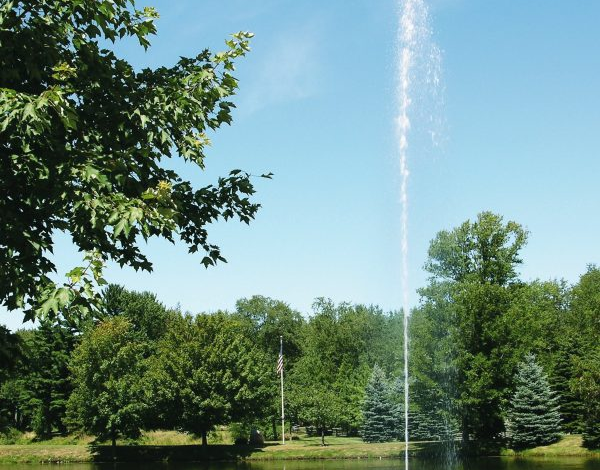
Seasonal changes destroy more large pond fountains than anything else. Temperature swings, debris loads, and shifts in water chemistry all conspire against your equipment. Ignore these changes, and you’ll pay for repairs or replacements you could have avoided.
Most people treat fountain maintenance the same way all year round. That’s a mistake. Each season demands different attention. What works in July fails in January.
Let’s break down what your fountain needs throughout the year.
Spring Startup After Winter Dormancy
Spring is when you discover what winter did to your large pond fountains. Frozen water expands. Seals crack. Debris that settled over months clogs everything.
Start by inspecting the pump before you plug it in. Look for visible cracks in the housing. Check the power cord for damage from ice or rodents. Wiggle the impeller by hand to make sure it spins freely.
Clean the intake screen and impeller thoroughly. Leaves and muck from fall accumulated all winter. Even if you cleaned before shutdown, more debris settled during dormancy. This stuff hardens over months and blocks water flow.
Fill the pond slowly while watching the water levels. Large ponds take hours or even days to fill properly. Rushing this step introduces air pockets and stresses the pump on startup.
Test run the fountain for 15 minutes before you walk away. Listen for unusual sounds. Watch for weak flow or erratic spray patterns. Problems show up immediately or not for months. Catching issues early saves money.
See also: Everything You Need to Know About Home Improvement Loan in India
Summer Heat and Algae Management
Heat does two things to your large pond fountains. It increases evaporation and accelerates algae growth. Both problems compound if you ignore them.
Water levels drop faster than you expect in summer. A large pond can lose an inch or more per week in hot, dry conditions. If levels drop too far, the pump intake sucks air instead of water.
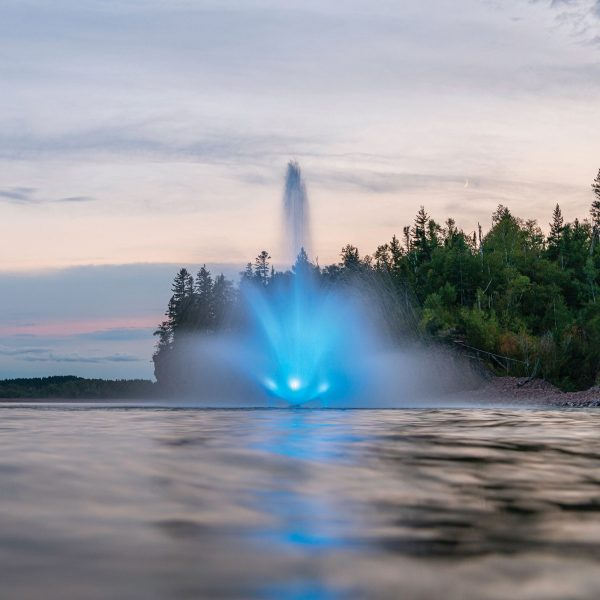
Check water levels twice weekly during heat waves. Top off before levels drop significantly. Letting the pump run dry, even briefly, can damage the motor seal. That means expensive repairs or replacement.
Algae blooms happen when warm water combines with sunlight and nutrients. Your fountain helps by circulating water and adding oxygen. But algae still grows on pump surfaces, intake screens, and nozzles.
Clean the pump monthly during summer. More often, if you see green slime building up. Algae blocks water flow gradually. You might not notice performance dropping until it’s become a real problem.
Consider running the fountain on a timer to reduce operating hours. Eight to twelve hours daily maintains circulation while reducing wear and energy costs. Full-time operation isn’t always necessary.
Fall Preparation and Debris Control
Fall brings leaves. Lots of them. Your large pond fountains become debris magnets as trees drop their foliage. This is the most labor-intensive season for fountain maintenance.
Skim leaves daily if possible. Weekly at a minimum. Leaves that sink decompose and create muck at the pond bottom. This muck gets sucked into the pump and clogs everything.
Install netting over the pond if leaf fall is extreme. You’ll hate looking at the netting, but you’ll hate cleaning the pump every three days even more. Pick your compromise.
Water temperature drops in the fall. Cooler water holds more dissolved oxygen. Your fountain can run less frequently while still maintaining healthy water conditions. Cut back to six or eight hours daily.
Late fall is decision time. Will you run the fountain through winter or shut it down? This depends entirely on your climate. Mild winters allow year-round operation. Hard freezes demand shutdown.
Winter Operation or Storage Strategy
Running large pond fountains through winter requires constant attention in freezing climates. Ice forms quickly when temperatures drop below 32 degrees. Once ice surrounds the fountain, you risk serious damage.
Moving water resists freezing better than still water. Keep the fountain running continuously if you choose winter operation. Even a brief shutdown lets ice form around components.
Watch for ice building up on spray heads and nozzles. Ice blocks water flow and forces pressure back into the pump. This can crack housings or damage seals. Knock ice off manually when it forms.
De-icers work alongside fountains to prevent surface freezing. These devices float on the water and maintain an open area around the fountain. They use extra electricity but prevent ice damage.
Shutdown and storage make more sense in harsh climates. Remove the pump completely before the first hard freeze. Drain all water from the pump body and hoses. Store indoors in a location that stays above freezing.
Clean the pump thoroughly before storage. Drain every component. Water left inside expands when it freezes and cracks housings or damages impellers. This is the number one cause of winter pump failure.
To Conclude
Your large pond fountains can run reliably for years with proper seasonal care. Neglect seasonal differences and you’ll face breakdowns, emergency repairs, and shortened equipment life. The choice is yours to make every season.