Regular maintenance of solar power systems is crucial for ensuring optimal performance and longevity. Just like any other mechanical or electrical system, solar panels and their associated components require periodic checks and servicing to function at their best. Over time, dust, debris, and environmental factors can accumulate on the surface of solar panels, leading to reduced efficiency.
A well-maintained solar power system can produce energy at its rated capacity, maximizing the return on investment for homeowners and businesses alike. Furthermore, regular maintenance helps in identifying potential issues before they escalate into costly repairs or system failures. In addition to enhancing efficiency, regular maintenance plays a significant role in extending the lifespan of solar power systems.
Most solar panels come with warranties that last between 20 to 25 years, but this warranty is often contingent upon proper maintenance. Neglecting routine checks can lead to premature wear and tear, which may void warranties and result in unexpected expenses. By investing in regular maintenance, system owners not only protect their investment but also contribute to a more sustainable energy future by ensuring that their systems operate efficiently over the long term.
Common Solar Power Maintenance Tasks
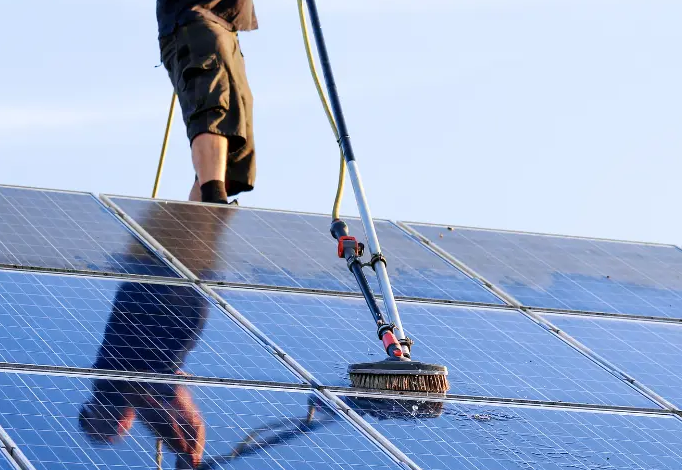
The maintenance of solar power systems encompasses a variety of tasks aimed at ensuring optimal performance. One of the most fundamental tasks, according to one Nowra solar power installer, is cleaning the solar panels. Dust, dirt, bird droppings, and other debris can accumulate on the surface of the panels, obstructing sunlight and reducing energy production.
Depending on the location and environmental conditions, cleaning may be required as frequently as once a month or as infrequently as once a year. In areas with heavy rainfall, natural washing may suffice, while arid regions may necessitate more frequent manual cleaning. Another essential maintenance task involves inspecting the electrical components of the solar power system.
This includes checking the inverter, which converts the direct current (DC) generated by the solar panels into alternating current (AC) for use in homes and businesses. Regular inspections can help identify issues such as overheating or malfunctioning components that could lead to system inefficiencies or failures. Additionally, checking wiring for signs of wear or damage is critical, as frayed wires can pose safety hazards and lead to energy losses.
Scheduling and Planning for Maintenance
Effective scheduling and planning for maintenance are vital to ensure that solar power systems remain in peak condition. Establishing a maintenance calendar can help system owners keep track of when specific tasks need to be performed. This calendar should include routine inspections, cleaning schedules, and any necessary repairs or replacements.
By proactively scheduling these tasks, owners can avoid unexpected downtime and ensure that their systems are always operating efficiently. Moreover, planning for maintenance should take into account seasonal variations and local weather patterns. For instance, in regions prone to heavy snowfall, it may be necessary to schedule additional inspections after winter storms to assess any potential damage or snow accumulation on the panels.
Similarly, areas with high pollen counts may require more frequent cleaning during certain times of the year. By aligning maintenance schedules with environmental factors, system owners can optimize performance and minimize disruptions.
See also: Latest Tech Scookietech: Latest Tech: Scookietech Digital Updates
Monitoring and Diagnosing System Performance
Monitoring the performance of solar power systems is an integral part of maintenance that allows for early detection of issues. Many modern solar installations come equipped with monitoring systems that provide real-time data on energy production, system efficiency, and potential faults. These systems can alert owners to anomalies such as sudden drops in energy output or irregular inverter performance, enabling prompt investigation and resolution.
Diagnosing system performance issues often involves analyzing data trends over time. For example, if a solar panel’s output consistently falls below expected levels during peak sunlight hours, it may indicate shading from nearby trees or buildings or even a malfunctioning panel. By utilizing monitoring tools effectively, technicians can pinpoint problems quickly and accurately, reducing downtime and ensuring that the system continues to operate at optimal levels.
Handling Repairs and Replacements
When maintenance reveals issues that require Suffolk County solar panel repairs or replacements, it is essential to address them promptly to prevent further complications. Common repairs may include fixing damaged wiring, replacing faulty inverters, or repairing structural components such as mounting systems. In some cases, entire panels may need to be replaced if they are found to be defective or severely damaged.
Understanding the warranty terms for each component can help owners navigate repair processes more effectively. In addition to addressing immediate repairs, it is also important to consider long-term replacements as part of a comprehensive maintenance strategy. For instance, while solar panels are designed to last for decades, their efficiency may degrade over time.
As technology advances, older panels may become less efficient compared to newer models. System owners should evaluate whether replacing older panels with more efficient options could yield better energy production and savings in the long run.
Training and Education for Maintenance Personnel
The effectiveness of solar power maintenance largely depends on the skills and knowledge of the personnel responsible for it. Therefore, investing in training and education for maintenance staff is paramount. Technicians should be well-versed in the latest technologies and best practices related to solar power systems.
This includes understanding how different components work together, recognizing common issues, and being familiar with workplace safety protocols when working with electrical systems. Moreover, ongoing education is essential in an industry that is constantly evolving due to technological advancements and regulatory changes. Workshops, certifications, and online courses can provide maintenance personnel with updated knowledge about new products and techniques in solar technology.
By fostering a culture of continuous learning within maintenance teams, organizations can ensure that their staff remains competent and capable of addressing any challenges that arise in maintaining solar power systems.
Utilizing Technology for Efficient Maintenance
The integration of technology into solar power maintenance has revolutionized how systems are monitored and serviced. Advanced software solutions allow for remote monitoring of solar installations, providing real-time data on performance metrics such as energy output and system health. This technology enables technicians to identify issues without needing to be physically present at the site, saving time and resources.
Drones have also emerged as valuable tools for inspecting solar installations. Equipped with high-resolution cameras and thermal imaging capabilities, drones can quickly assess large arrays for signs of damage or inefficiencies that may not be visible from the ground. This technology not only enhances inspection accuracy but also reduces the risks associated with manual inspections at height or in challenging environments.
Budgeting and Cost Management for Maintenance
Effective budgeting for solar power maintenance is essential for ensuring that systems remain operational without incurring unexpected costs. Owners should develop a comprehensive maintenance budget that accounts for routine tasks such as cleaning and inspections as well as potential repairs and replacements. By forecasting these expenses annually, system owners can allocate funds appropriately and avoid financial strain when unexpected issues arise.
Cost management strategies can also play a significant role in maintaining a solar power system’s financial viability. For instance, some owners may choose to enter into service agreements with maintenance providers that offer fixed pricing for routine services over a specified period. This approach can help stabilize costs while ensuring that necessary maintenance tasks are performed regularly.
Additionally, taking advantage of warranties and manufacturer support can further mitigate costs associated with repairs or replacements, allowing owners to maximize their investment in solar technology while minimizing financial risks associated with maintenance activities.