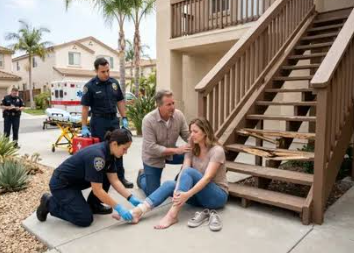
You might be sitting in a hotel room or back home, staring at photos from your Miami trip and feeling a knot in your stomach. What was supposed to be a fun getaway turned into doctor visits, insurance calls, and pain you did not plan for, all because of something that happened at your Airbnb. Maybe you slipped on a wet tile floor with no warning sign, fell down loose stairs, or were hurt because a basic safety feature was missing. Dolan Dobrinsky Rosenblum Bluestein, LLP can help you understand your options and what to do next.
Dolan Dobrinsky Rosenblum Bluestein, LLP
2665 S Bayshore Dr., Suite 603
Miami, Florida 33133
Now you are wondering how any of this works when you live in another state and the host is in Florida. Can you actually sue a Miami Airbnb host as an out‑of‑state tourist. Who is responsible. What happens next.
The short answer is that yes, in many situations an injured visitor can bring a claim against a Miami Airbnb host. The longer answer is more layered. Florida law, the way Airbnb operates, and the specific facts of your injury all matter. The good news is that you do not have to untangle this alone. Once you understand who might be legally responsible and what evidence matters, you can start to regain some control over a situation that feels very out of control right now.
What really happened at that Miami Airbnb, and does it count as negligence?
To figure out if you can sue a Miami Airbnb host, you first need to look at how and why you were hurt. Not every accident creates a legal claim. The law usually cares about whether someone was careless and whether that carelessness caused your injury.
Imagine a few common scenarios.
- You arrive late at night, step into a dark hallway, and trip over a loose, raised tile that the host knew about but never fixed.
- The listing shows a balcony with a “great view,” but the railing is loose and below code, and you fall when it gives way.
- The smoke detectors are missing or disconnected, there is a small kitchen fire, and you suffer smoke inhalation because you had no warning.
These are the kinds of hazards that often cross the line from “unfortunate accident” into negligence. The host is inviting paying guests into the property, and with that comes a duty to keep the place reasonably safe, fix known dangers, and warn you about risks they cannot fix immediately.
On the other hand, if you were injured doing something completely unrelated to the property conditions, or the danger was obvious and you chose to ignore it, your claim may be weaker. Florida law also looks at your own choices and can reduce your recovery if you share some fault.
Because of this tension between “just bad luck” and “preventable harm,” you might wonder how Florida law actually treats short‑term rentals like Airbnbs.
How does Florida law treat Airbnb‑style rentals and their hosts?
Florida has specific rules for public lodging and transient rentals, and many Airbnb listings fall into that world even if they look casual online. Florida Statute section 509.111, for example, outlines some duties and liabilities related to public lodging operators. You can see some of those responsibilities in the statute’s language on public lodging establishments and their liability.
Courts and scholars have been wrestling with how to fit platforms like Airbnb into older legal frameworks that were written long before home‑sharing became common. Legal analysis from Florida academics has explored how these short‑term rentals blur the line between traditional hotels and private homes, and how responsibility for guest safety should be handled. One example is the discussion in this Florida Law Review piece on regulating new forms of hospitality and lodging.
In practice, here is what often matters for an injured guest.
- The more the Airbnb looks and functions like a commercial rental, the easier it can be to argue that the host should follow standards similar to hotels or motels.
- If the host actively manages the property for paying guests, advertises it as safe, and controls repairs and maintenance, it strengthens the argument that they are responsible for hazards.
- If a third‑party property manager or company runs the unit, they may share or even take primary responsibility.
There is also a growing concern that many short‑term rentals lack basic safety features. One study from Johns Hopkins pointed out that many Airbnb venues were missing things like smoke detectors and carbon monoxide alarms, which are standard in hotels. You can read about that research here in a summary on Airbnb safety features and guest risk.
So where does that leave you as an out‑of‑state tourist who got hurt in Miami.
Does being from out of state change your right to sue a Miami host?
Being from another state does not erase your rights. What it changes is where and how your case is handled.
In most situations, if you were injured at an Airbnb in Miami, Florida law will apply and any lawsuit is filed in a Florida court. That can feel overwhelming when you live hundreds or thousands of miles away. You may worry about traveling back and forth, missing work, or dealing with a system you do not understand.
This is where a Miami Airbnb injury claim often becomes a practical question instead of just a legal one. You may have options like:
- Starting with an insurance claim against the host’s homeowner, landlord, or short‑term rental policy.
- Exploring whether Airbnb’s own host liability coverage might apply to your injury.
- Having a Florida personal injury attorney represent you so you do not have to appear in person for every step.
It is not unusual for injured tourists to resolve their cases through negotiation and settlement, without ever stepping into a courtroom. That said, your claim still needs to be built as if it could go to trial someday, which means careful attention to evidence, deadlines, and strategy.
Comparing your options after an Airbnb injury as an out‑of‑state tourist
When you are hurting and far from home, every choice feels heavy. Below is a simple comparison to help you see some of the tradeoffs between trying to handle the situation on your own and working with a personal injury lawyer in Florida.
| Issue | Handling It On Your Own | Working With a Florida Personal Injury Lawyer |
|---|---|---|
| Understanding Florida law and Airbnb issues | You search online and rely on what insurance adjusters tell you. High risk of missing important rights or defenses. | Attorney interprets Florida premises liability law, short‑term rental rules, and how courts treat Airbnb hosts. |
| Dealing with distance and travel | You may need to return to Miami for records, inspections, or hearings. Travel costs come out of pocket. | Counsel can handle most local tasks and court appearances. You travel only if truly necessary. |
| Collecting evidence from the property | Hard to get photos, witness info, and records once you are home. Conditions may be repaired or changed. | Attorney can move quickly to preserve evidence, contact witnesses, and seek records while you focus on healing. |
| Negotiating with insurance or Airbnb | Insurers may pressure you to accept a low offer or blame you. You may not know the fair value of your claim. | Lawyer values your case based on medical records, future care needs, and similar results. Handles negotiations for you. |
| Stress and time | You juggle calls, forms, and deadlines on top of recovery, work, and family responsibilities. | Legal team manages the process, timelines, and communication. You can focus more on your health. |
Seeing the options side by side can help you decide what makes sense for you, your injury, and your peace of mind.
Three steps to take right now if you were hurt at a Miami Airbnb
You do not need to have everything figured out today. Taking a few focused steps can protect you, even if you are still unsure about a lawsuit or claim.
1. Protect your health and document every part of your injury
Get medical care as soon as you can, whether you are still in Miami or already back home. Follow through with recommended tests and follow‑up visits. Explain clearly that your injury happened at a short‑term rental in Miami so it is reflected in your records.
Keep copies of everything. Medical reports, discharge summaries, prescriptions, receipts, even mileage or rideshare costs to appointments can matter. Take photos of visible injuries over time. These details tell the story of how the accident changed your life, and they are much easier to gather now than months down the road.
2. Preserve any evidence you have from the Airbnb
If you still have photos or videos of the property, your room, or the hazard that hurt you, back them up in more than one place. If you do not, think about what you can still gather. Screenshots of the Airbnb listing, messages with the host, complaint reports, or texts to friends about what happened can all help show what the conditions were like.
Write down your memory of the incident while it is still fresh. Include the time, location in the property, lighting, weather, and anything the host said before or after. If anyone witnessed the accident, collect their names and contact information if you have not already.
3. Talk with a Florida personal injury attorney before dealing with insurers
Before you give a recorded statement or accept any offer, consider speaking with a lawyer who handles Airbnb accident claims in Florida. A brief consultation can help you understand whether the host, a property manager, a building owner, or another party may be responsible, and what your case might be worth.
Even if you decide not to move forward, you will have clearer expectations and can make choices from a more informed and calmer place, instead of reacting to pressure from an insurance adjuster.
See also: 6 Essential Tips Before You Buy Bus Tickets Online
Finding a path forward after an Airbnb injury far from home
You did not travel to Miami expecting to learn about Florida statutes, insurance coverage, and jurisdiction rules. You wanted a break. Now you are left with medical bills, pain, and questions about whether you have any real options as an out‑of‑state guest.
You are not alone in this. Many injured tourists face the same confusion and frustration after an accident at a short‑term rental. With the right guidance, you can sort through what happened, understand your rights, and decide on a course of action that respects both your health and your time.
You do not have to rush a lawsuit or a claim today. Start by caring for your body, gathering what evidence you can, and getting clear legal advice from someone who understands Florida injury law and Airbnb‑style rentals. From there, you can choose the next step that feels right for you, knowing you took the time to protect yourself and your future.