For many people, eyebrows are just another facial feature. But for someone who has lost them due to illness, injury, or a medical condition, their absence can have a profound impact on how they see themselves.
While restorative microblading is often viewed as a cosmetic treatment, its effects can extend beyond appearance. For many clients, restoring natural-looking eyebrows can help rebuild confidence, reduce appearance-related stress, and support emotional wellbeing during recovery.
Unlike traditional beauty treatments that focus primarily on enhancing features, restorative microblading is often about helping someone feel like themselves again. Whether eyebrow loss resulted from chemotherapy, alopecia, scarring, or another condition, recreating this defining facial feature can become an important step in a person’s healing journey.
What is restorative microblading?
Restorative microblading is a specialized form of semi-permanent cosmetic tattooing designed for people who have experienced partial or complete eyebrow loss.
Unlike a traditional microblading eyebrow treatment that enhances existing brows for cosmetic purposes, restorative microblading focuses on recreating realistic-looking eyebrows for individuals affected by medical conditions, injury, or scarring.
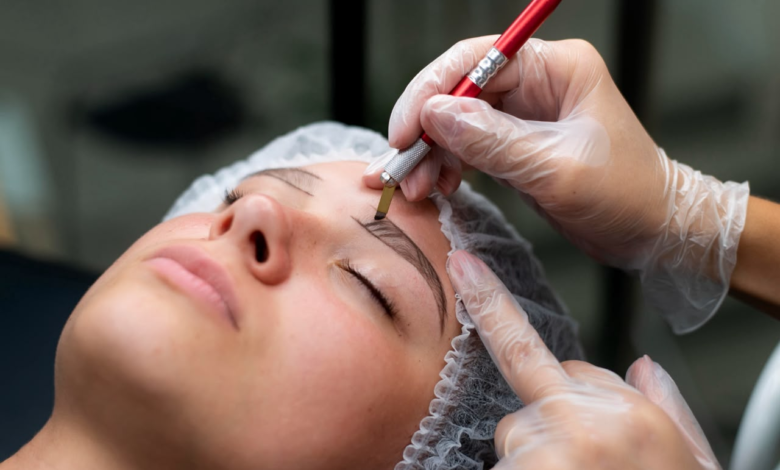
Using a handheld tool, a trained practitioner deposits pigment into the upper layers of the skin to create fine, hair-like strokes that mimic natural eyebrow hairs.
While cosmetic microblading is commonly used to enhance existing brows, restorative microblading requires a different level of artistry. Practitioners often work with clients who have little or no natural eyebrow hair, scar tissue, or skin changes resulting from medical treatments.
The goal is to recreate realistic, natural-looking brows that complement the individual’s facial features.
See also: Home Upgrading Mintpalment: Home Upgrading: Mintpalment for Digital Solutions
Why eyebrows matter more than we realize
Eyebrows play an important role in facial balance and expression. They help communicate emotions such as surprise, concern, happiness, and curiosity, while also framing the eyes and contributing to facial recognition.
When eyebrows disappear, many people notice a dramatic change in their appearance. Some describe looking tired, unwell, or unlike themselves. Others feel that eyebrow loss constantly reminds them of the illness or event that caused it.
Because eyebrows are such a defining feature, restoring them often does more than improve appearance. It can also help people reconnect with their identity.
The emotional impact of eyebrow loss
Hair loss associated with medical conditions can affect far more than physical appearance.
People experiencing eyebrow loss may feel self-conscious in public. They might be constantly avoiding photographs, spending extra time applying eyebrow makeup, and feeling uncomfortable meeting new people.
They are also always worrying about their appearance during exercise or swimming. And constantly being reminded of illness every time they look in the mirror.
These experiences don’t affect everyone in the same way, but they highlight how visible changes to appearance can influence confidence and daily life.
For many clients, restorative microblading offers an opportunity to shift the focus away from what they’ve lost and toward moving forward.
Rebuilding confidence one step at a time
Confidence doesn’t come from perfect eyebrows. It comes from feeling comfortable in your own skin.
Many clients report that after restorative microblading, they spend less time worrying about how they look and more time enjoying everyday activities. Instead of carefully drawing eyebrows each morning, they can wake up with brows that already look natural and symmetrical.
This renewed confidence may encourage people to return to work, attend social events, enjoy holidays without worrying about makeup, participate in family photographs, and feel more comfortable meeting new people.
While restorative microblading isn’t a cure for low self-esteem, it can remove one source of appearance-related stress for people who have experienced eyebrow loss.
A milestone in the recovery journey
For individuals recovering from cancer treatment, burns, surgery, or other significant life events, restorative microblading can represent much more than a cosmetic appointment.
Many clients describe the procedure as symbolizing a new chapter. After months or years of medical appointments, treatments, and recovery, restoring their eyebrows can feel like reclaiming a part of themselves that was lost along the way.
It can also mark the transition from being focused solely on illness to embracing life beyond recovery.
Everyone’s experience is different, but for some people, that emotional milestone is just as meaningful as the physical result.
The freedom of a simpler daily routine
One of the practical benefits of restorative microblading is the time it saves.
Drawing realistic eyebrows each day can be difficult, especially when there are no natural hairs to guide their shape. Many people worry about uneven makeup, fading throughout the day, or smudging after exercise or in humid weather.
With restorative microblading, clients often enjoy less time getting ready. They have consistent-looking eyebrows every day. Then, they might have greater confidence during physical activity.
We should also note reduced reliance on cosmetic products and a simpler morning routine.
These practical improvements may seem small, but they can make everyday life feel easier and less stressful.
The importance of personalized treatment
No two faces are exactly alike, which is why restorative microblading requires a highly customized approach.
Experienced practitioners consider several factors when designing each set of brows, including facial proportions, bone structure, skin tone, hair color, age, existing hair growth, and personal preferences.
Rather than following trends, restorative practitioners aim to create eyebrows that look natural and complement the client’s individual features.
This personalized process helps many clients feel that the results genuinely reflect who they are.
Restoring more than appearance
For some clients, restoring their eyebrows also restores confidence in everyday interactions.
Something as simple as making eye contact, attending a work meeting, or going out without makeup can feel easier when people no longer worry about noticeable eyebrow loss.
Family and friends may also comment that the individual looks more rested or more like themselves, not because they look dramatically different, but because their facial expressions appear more balanced and familiar.
These positive experiences can contribute to improved self-confidence over time.
Choosing the right practitioner
Restorative microblading requires specialized knowledge and experience. Clients should look for a practitioner who has experience working with medical hair loss, scar tissue, and sensitive skin.
During a consultation, a qualified practitioner should discuss your medical history. Then, they should explain whether you’re a suitable candidate and review realistic expectations. Next comes designing brows specifically for your face, explaining the healing process, and providing detailed aftercare instructions.
Looking at before-and-after photos of previous restorative clients can also help you assess the practitioner’s experience and artistic style.
Understanding the limits
Although restorative microblading can have meaningful emotional benefits, it’s important to keep expectations realistic.
The treatment does not cure anxiety, depression, or other mental health conditions. Instead, it addresses one aspect of appearance that may contribute to a person’s confidence and sense of identity.
For individuals experiencing significant emotional distress, restorative microblading should be viewed as one part of a broader support system that may include healthcare professionals, counselling, family, and community support.
Recognizing these limits helps ensure clients approach treatment with realistic expectations while still appreciating its potential impact.
Is restorative microblading right for you?
If you’ve experienced eyebrow loss due to alopecia, chemotherapy, scarring, thyroid conditions, or another medical reason, restorative microblading may be worth exploring.
A consultation with an experienced practitioner can help determine whether the treatment is appropriate based on your skin, medical history, and recovery stage.
Because every person’s situation is unique, personalized advice is essential before proceeding with treatment.
Final Thoughts
Restorative microblading demonstrates that cosmetic procedures can sometimes offer benefits that extend beyond appearance.
While beautifully crafted eyebrows are the visible result, many clients value something much deeper—the opportunity to feel comfortable in their own skin again.
For many people, the greatest transformation isn’t simply what they see in the mirror—it’s how they feel when they look into it.