
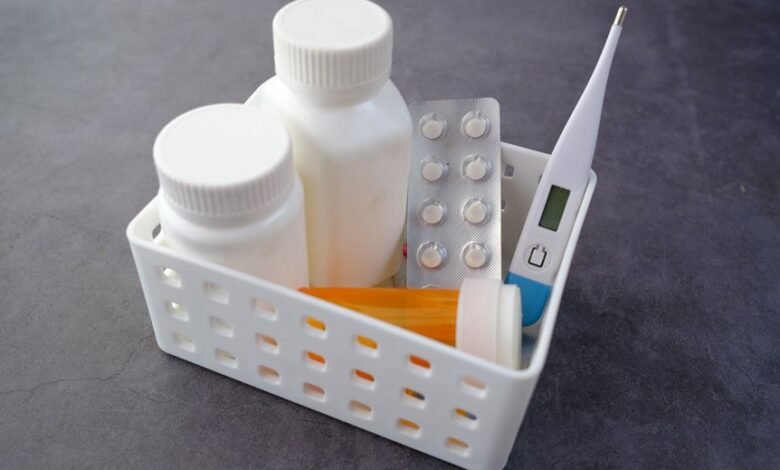
Medicine storage temperature is a foundational habit for protecting drug safety and potency. Clear labeling, consistent environments, and proper containment reduce waste and harm. While many items tolerate room temperature, others demand refrigeration or protected transport. The overview outlines practical ranges, home and clinical practices, and travel considerations, with attention to monitoring and documentation. Readers will find the practical steps and warning signs essential, yet a complete plan awaits further detail to ensure reliable, evidence-based stewardship.
What Is Medicine Storage Temperature and Why It Matters
Medicine storage temperature refers to the specific range at which medicines should be kept to maintain their safety, efficacy, and quality. What is storage, and why it matters, are central concerns. How temperature affects efficacy is explained through stability and degradation risks. Storage guidelines emphasize consistent conditions, minimal exposure, and proper labeling, ensuring accessibility, accountability, and user confidence in pharmaceutical integrity.
Safe Temperature Ranges for Common Medicines
Determining appropriate storage temperatures for common medicines involves balancing stability data with practical handling requirements to preserve potency and safety. Safe ranges vary by product, but some general guidance applies: many tablets and capsules tolerate room temperature, while biologics and certain liquids require refrigeration per specific labels. Adhere to storage labels and refrigeration guidelines to ensure integrity and accessibility.
How to Store Medicines at Home, Clinics, and While Traveling
Effective storage of medications varies by setting and purpose, and proper handling reduces the risk of potency loss and contamination. Storage protocols differ for home, clinics, and travel, emphasizing consistent temperature control, labeling, and secure containers. Adhere to storage guidelines and local regulations, monitor conditions, and prepare portable kits. Transport considerations include insulated packaging, temperature indicators, and minimizing exposure to heat, cold, or moisture.
Signs of Temperature-Related Medication Degradation and What to Do
Temperature-related degradation can compromise efficacy and safety, making it essential to recognize warning signs early. Degradation indicators include visible changes, altered texture, unusual odor, and diminished potency. When storage mistakes occur, advise clinicians and patients to consult product labeling promptly, discard compromised items, and document conditions. Proper reporting supports recalls and safer practices, reducing risk while maintaining confidence in therapeutic outcomes.
A Simple, Step-by-Step Plan to Maintain Temperature Control
A simple, step-by-step plan to maintain temperature control focuses on implementing practical, repeatable procedures that safeguard medicines from inappropriate storage conditions.
The approach emphasizes clear storage planning and routine temperature monitoring, with defined responsibilities, documented thresholds, and alarm protocols.
Regular audits verify compliance, while contingencies for power outages or equipment failure ensure consistent protection of medicines throughout varying conditions.
Frequently Asked Questions
How Do I Label Medicines for Different Storage Temps?
Labeling by temperature is recommended using color coded packaging and clear storage labels; this avoids storage labels not relevant to H2s. Expiration impact not relevant to H2s, yet labeling by temperature remains essential for safe handling and access.
Can Temperature Affect Medication Efficacy After Expiration?
Does storage temperature affect potency? Yes; temperature can influence potency and the impact of expiration on efficacy. The question regards whether storage conditions alter drug strength after expiry, highlighting cautious interpretation, rigorous testing, and professional guidance for independent decision-making.
Do Refrigerators in Home Settings Require Calibration?
Refrigerator calibration may be prudent in home settings to ensure accurate temperatures, though not always mandatory. Adherence to home storage guidelines is essential; professionals recommend periodic checks, traceable measurements, and documenting results to maintain medication efficacy and safety.
Should I Store Meds Away From Sunlight and Heat Sources?
Sunlight and heat exposure should be avoided for medications. The guidance notes that medication sunlight and heat exposure can degrade potency; thus, store away from direct light and heat sources, in a cool, dry place, as specified.
What to Do if a Medicine Has Freezing Exposure?
If a medicine has freezing exposure, it should not be used; assess potency loss. The guide notes how freezing exposure impacts potency, and how to handle thawed medications safely, including discarding compromised products and consulting a pharmacist for alternatives.
Conclusion
In conclusion, the alignment of storage practices with labeled conditions remains essential, a fact underscored by chance: a single misplaced vial at a clinic can coincide with a patient needing urgent, effective therapy elsewhere. This coincidence highlights how disciplined temperature control safeguards potency and safety across homes, clinics, and travel. When routine checks reveal even a minor drift, prompt corrective action prevents wasted medicines and protects patient outcomes, turning everyday precautions into reliable, life-protecting consistency.