In modern industrial environments, machinery efficiency and reliability depend heavily on proper lubrication. Among the many lubrication tools used in manufacturing plants, automotive workshops, construction sites, and heavy-duty industries, the grease pump plays a critical role. It ensures that mechanical components receive the right amount of grease at the right time, reducing friction, preventing wear, and extending equipment life.
Despite its importance, the grease pump is often overlooked until a machine fails due to poor lubrication. When that happens, downtime increases, maintenance costs rise, and productivity suffers. Understanding how a grease pump works and why it is essential can help businesses improve operational efficiency and reduce long-term costs.
This article explores everything you need to know about grease pumps, including how they work, different types, industrial applications, advantages, and key factors to consider when choosing the right system.
What Is a Grease Pump?
A grease pump is a mechanical device designed to transfer and deliver grease from a container or reservoir to specific lubrication points in machinery. Unlike oil, grease is thicker and requires higher pressure to move through pipelines or directly into machine components. The grease pump provides this pressure and ensures consistent lubrication.
Grease pumps are commonly used in centralized lubrication systems where multiple machine parts need regular and controlled greasing. Instead of manual lubrication, which is time-consuming and inconsistent, grease pumps automate the process and improve precision.
By ensuring proper lubrication, grease pumps help:
- Reduce friction between moving parts
- Minimize wear and tear
- Prevent overheating
- Extend machinery lifespan
- Improve overall efficiency
How Does a Grease Pump Work?
The working principle of a grease pump is based on pressure generation and controlled flow.
- Grease is stored in a reservoir or drum.
- The pump mechanism draws grease from the container.
- Pressure is applied to push grease through pipes or hoses.
- Grease is delivered to lubrication points such as bearings, gears, or joints.
- Excess or unused grease is managed to avoid clogging or waste.
Depending on the system, grease pumps can operate manually, electrically, pneumatically, or hydraulically. In automated systems, the pump is controlled by timers or sensors to ensure precise lubrication cycles.
Types of Grease Pumps
There are several types of grease pumps designed for different industrial needs. Each type offers unique advantages depending on application requirements.
1. Manual Grease Pumps
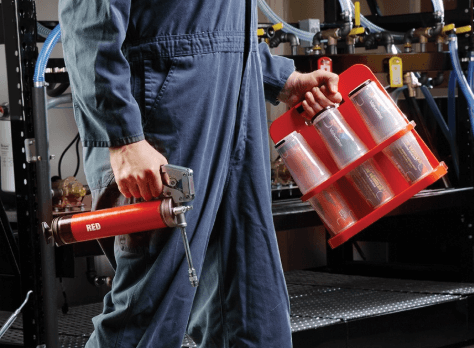
Manual grease pumps are operated by hand. They are commonly used in small workshops or for light machinery.
Advantages:
- Low cost
- Simple operation
- Portable
Limitations:
- Labor-intensive
- Not suitable for large-scale operations
2. Pneumatic Grease Pumps
Pneumatic grease pumps use compressed air to generate pressure. They are widely used in automotive workshops and industrial plants.
Advantages:
- High efficiency
- Suitable for continuous operation
- Less physical effort required
Limitations:
- Requires air compressor
- Higher initial setup cost
3. Electric Grease Pumps
Electric grease pumps are powered by electricity and are commonly used in automated lubrication systems.
Advantages:
- Consistent performance
- Easy automation
- Suitable for large machinery systems
Limitations:
- Requires power supply
- Higher maintenance complexity
4. Hydraulic Grease Pumps
Hydraulic grease pumps use hydraulic pressure to deliver grease. These are used in heavy-duty industries such as mining and construction.
Advantages:
- Extremely powerful
- Suitable for high-pressure applications
Limitations:
- Expensive
- Requires hydraulic system integration
See also: News Scookietech: News: Scookietech for Latest Technology Updates
Applications of Grease Pumps
Grease pumps are used in a wide range of industries where machinery lubrication is essential for smooth operation.
Manufacturing Industry
In manufacturing plants, machines run continuously and require consistent lubrication. Grease pumps ensure that production lines operate without interruption.
Automotive Industry
Vehicle maintenance workshops use grease pumps to lubricate chassis, bearings, and mechanical joints efficiently.
Construction Industry
Heavy construction equipment such as cranes, bulldozers, and excavators rely on grease pumps for lubrication under extreme conditions.
Mining Industry
Mining equipment operates in harsh environments. Grease pumps help reduce wear caused by dust, pressure, and heavy loads.
Marine Industry
Ships and offshore equipment require continuous lubrication to prevent corrosion and mechanical failure.
Agriculture
Farm machinery such as tractors and harvesters use grease pumps to maintain smooth operation during long working hours.
Benefits of Using a Grease Pump
Using a grease pump offers several advantages compared to manual lubrication methods.
1. Improved Efficiency
Automated grease pumps deliver precise lubrication, reducing human error and saving time.
2. Reduced Maintenance Costs
Proper lubrication reduces wear and tear, minimizing repair and replacement expenses.
3. Increased Equipment Lifespan
Regular and accurate lubrication extends the life of mechanical components.
4. Enhanced Safety
Automated systems reduce the need for manual intervention in hazardous environments.
5. Consistent Performance
Machines operate smoothly with reduced friction and overheating.
Key Features to Consider When Choosing a Grease Pump
Selecting the right grease pump is essential for optimal performance. Here are some important factors to consider:
1. Pressure Capacity
Ensure the pump can deliver sufficient pressure for your machinery requirements.
2. Flow Rate
The flow rate determines how quickly grease is delivered to lubrication points.
3. Type of Grease
Different pumps are compatible with different grease viscosities.
4. Power Source
Choose between manual, electric, pneumatic, or hydraulic based on your operational needs.
5. System Compatibility
Ensure the pump integrates well with existing lubrication systems.
6. Durability
Industrial environments require pumps made from high-quality, corrosion-resistant materials.
Common Problems in Grease Pump Systems
Like any mechanical system, grease pumps can face operational issues if not properly maintained.
1. Blockages
Thick grease or contaminants can block pipelines.
2. Air Locks
Air trapped in the system can disrupt grease flow.
3. Pump Wear
Continuous use can cause internal components to wear out.
4. Improper Pressure
Incorrect pressure settings may lead to under-lubrication or over-lubrication.
Regular maintenance and proper installation can prevent these issues.
Maintenance Tips for Grease Pumps
To ensure long-lasting performance, grease pumps require regular maintenance.
- Clean the pump regularly
- Check for leaks in hoses and fittings
- Use the correct type of grease
- Inspect pressure settings
- Replace worn-out parts promptly
Proper maintenance not only improves performance but also reduces unexpected downtime.
The Future of Grease Pump Technology
With advancements in industrial automation, grease pump systems are becoming more intelligent and efficient. Modern systems include sensors, IoT integration, and automated monitoring to ensure precise lubrication.
Smart lubrication systems can:
- Monitor machine performance in real-time
- Automatically adjust grease flow
- Send maintenance alerts
- Reduce energy consumption
These innovations are transforming industries by improving efficiency and reducing operational costs.
Conclusion
A grease pump is a vital component in industrial lubrication systems that ensures machinery operates smoothly and efficiently. From manufacturing plants to construction sites, grease pumps play a key role in reducing friction, preventing mechanical failure, and extending equipment life.
Understanding the different types, applications, and benefits of grease pumps helps businesses choose the right solution for their needs. With proper selection and maintenance, grease pumps can significantly improve productivity and reduce long-term operational costs.
As industries continue to advance, grease pump technology will evolve further, offering smarter, more efficient, and automated lubrication solutions for the future.