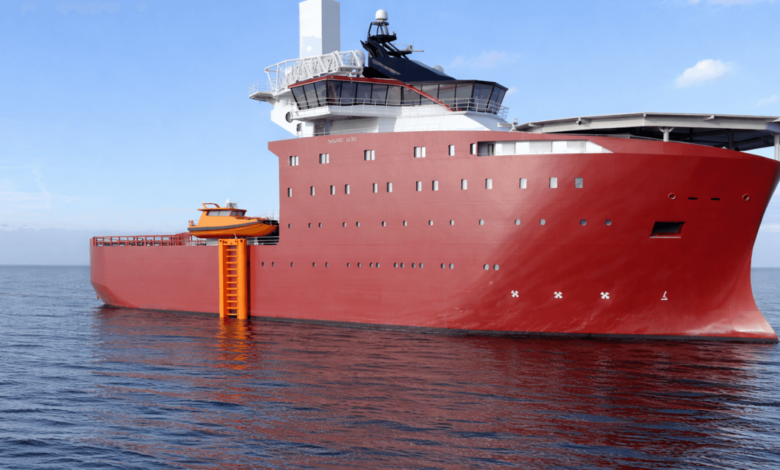
Offshore energy production depends on a wide network of specialized vessels that support complex operations far from land. Whether the project involves oil drilling platforms or offshore wind farms, reliable maritime logistics are critical for delivering supplies, transporting crews, and maintaining equipment. Among the most important ships in this ecosystem are the psv vessel and the Service Operation Vessel, commonly known as an SOV.
Each vessel type serves a specific purpose within offshore operations. The psv vessel has long been a backbone of offshore oil and gas logistics, transporting essential materials between supply bases and drilling platforms. The SOV vessel, by contrast, has emerged more recently as a specialized ship designed to support maintenance operations at offshore wind farms.
Although both vessel types operate in offshore environments and share some technological similarities, their designs, operational roles, and daily activities are quite different. Understanding these differences helps clarify which vessel performs best for particular offshore projects.
This article explores how a psv vessel compares with an SOV vessel, examining their design philosophies, operational strengths, and the types of offshore energy projects where each vessel excels.
The Role of the PSV Vessel in Offshore Oil and Gas
A psv vessel, or Platform Supply Vessel, is designed primarily to transport supplies and equipment between shore bases and offshore installations such as drilling rigs or production platforms. These ships are essential for keeping offshore oil and gas operations running smoothly.
Oil and gas platforms require a constant flow of materials to support drilling and production activities. These materials include drilling fluids, fuel, fresh water, construction equipment, spare parts, and food supplies for offshore workers.
The psv vessel carries these materials using a combination of open deck cargo space and specialized cargo tanks located below deck. The deck is used for solid cargo such as pipes and containers, while the tanks store liquid cargo needed for drilling operations.
These vessels operate in continuous supply cycles, traveling between shore-based logistics ports and offshore installations. Their ability to transport multiple types of cargo in a single trip makes them highly efficient for supporting offshore drilling projects.
Because drilling operations are often located many miles from land, the psv vessel remains a critical logistical link that ensures offshore platforms receive the supplies they need without interruption.
The Rise of the SOV Vessel in Offshore Wind Energy
The Service Operation Vessel, or SOV vessel, was developed to meet the unique needs of offshore wind farms. As renewable energy projects expanded into deeper waters and farther from shore, operators needed a more efficient way to maintain large arrays of wind turbines.
Unlike the psv vessel, which focuses on cargo transport, an SOV vessel functions primarily as a floating maintenance base for technicians working on wind turbines.
These ships often remain stationed near offshore wind farms for extended periods, sometimes weeks at a time. Technicians live aboard the vessel and travel directly to wind turbines to perform inspections, repairs, and routine maintenance.
The vessel includes onboard accommodations, workshops, storage areas, and control centers that support daily maintenance operations. This design allows maintenance teams to stay close to the turbines they service, significantly reducing travel time.
As offshore wind farms continue to grow in size and complexity, the SOV vessel has become a central component of renewable energy logistics.
Comparing Vessel Design Philosophy
Although both vessel types operate offshore, the design philosophy behind each ship reflects its specific operational role.
The psv vessel is built primarily for cargo transport. Its large open deck allows for the storage of equipment, containers, and pipes needed for drilling operations. Below deck, a system of cargo tanks holds liquids such as drilling mud, fuel, and chemicals.
These vessels emphasize cargo capacity, operational flexibility, and efficient loading and unloading operations. Their hull designs and propulsion systems are optimized for traveling long distances between shore bases and offshore installations.
In contrast, the SOV vessel prioritizes crew support and maintenance operations. These ships are designed to accommodate large numbers of technicians and engineers who live aboard the vessel during offshore work rotations.
Instead of large cargo decks, SOV vessels often feature advanced crew transfer systems, maintenance workshops, and comfortable living quarters.
While both vessel types require strong offshore capabilities and dynamic positioning systems, their internal layouts and operational features differ significantly due to their unique missions.
Crew Transfer and Operational Access
One of the most important differences between the psv vessel and the SOV vessel involves how crews interact with offshore structures.
In oil and gas operations, personnel are often transported to offshore platforms using helicopters. The psv vessel focuses mainly on cargo delivery rather than crew transport.
When a psv vessel arrives at a drilling platform, cranes on the platform typically lift cargo from the ship’s deck. Liquid materials are transferred using pumping systems connected to the vessel’s cargo tanks.
The SOV vessel, on the other hand, is designed specifically to move technicians between the vessel and wind turbines. These ships often feature motion-compensated gangways that allow workers to walk safely from the vessel directly onto turbine platforms.
The gangway system automatically adjusts for vessel movement caused by waves, allowing safe transfers even in moderate sea conditions.
This technology is essential for wind farm maintenance because technicians must frequently access turbines spread across large offshore areas.
Daily Operations: Cargo Supply vs Maintenance Support
The daily work routines of these vessels reflect the industries they support.
A psv vessel typically operates on a scheduled supply route. The vessel loads cargo at an onshore supply base and then travels to offshore platforms where materials are delivered. Once unloading is complete, the vessel may collect waste materials or equipment for return to shore.
The operational cycle then repeats, forming a continuous supply chain between offshore installations and coastal logistics hubs.
The SOV vessel follows a different operational pattern. Because technicians live aboard the vessel, it remains stationed near the wind farm for extended periods.
Each day begins with maintenance planning and safety briefings before technicians depart to inspect turbines. Using gangway systems or small transfer boats, teams travel to turbines where they perform inspections, repairs, and routine servicing.
After completing their tasks, technicians return to the vessel to prepare for the next day’s operations.
This daily maintenance cycle allows wind farm operators to monitor turbine performance closely and address technical issues quickly.
Technology and Positioning Systems
Both vessel types rely on advanced positioning technologies to operate safely near offshore structures.
Dynamic positioning systems use satellite navigation, sensors, and computer-controlled thrusters to maintain vessel position without anchors. This technology is essential when operating near offshore platforms, pipelines, or wind turbine foundations.
For a psv vessel, dynamic positioning allows the ship to remain stable during cargo transfer operations. This stability ensures that cranes and pumping systems can operate safely.
For an SOV vessel, dynamic positioning helps maintain precise alignment between the vessel and turbine platforms during crew transfers.
Although the technology used in both vessel types is similar, it supports different operational activities depending on the vessel’s role.
Read Also: Wavetechglobal .Com: Wavetechglobal.Com: Exploring the Future of Technology
Which Vessel Is Better for Offshore Projects?
Determining which vessel “wins” in the comparison between a psv vessel and an SOV vessel depends entirely on the type of offshore project being supported.
Oil and gas operations rely heavily on cargo logistics. Drilling platforms require large quantities of materials and equipment delivered regularly. For these tasks, the psv vessel remains the most efficient and practical solution.
Wind farms, however, require frequent maintenance visits by technicians. Since turbines are spread across wide offshore areas and require continuous monitoring, the SOV vessel provides the best platform for supporting these activities.
Rather than competing directly, the two vessel types serve different segments of the offshore energy industry. Each ship is optimized for its specific operational environment.
The Future of Offshore Support Vessels
As the offshore energy sector continues to evolve, both vessel types are adapting to new technologies and environmental requirements.
Many new psv vessel designs include fuel-efficient engines, hybrid propulsion systems, and digital monitoring tools that improve operational efficiency and reduce emissions.
SOV vessels are also incorporating sustainable technologies such as battery-assisted propulsion and energy-efficient onboard systems.
In addition, some vessel concepts are exploring hybrid roles that combine cargo supply functions with maintenance support capabilities.
These innovations reflect the growing complexity of offshore energy operations and the need for flexible maritime solutions.
Frequently Asked Questions About PSV and SOV Vessels
What is a PSV vessel?
A PSV vessel is a Platform Supply Vessel designed to transport cargo, equipment, and materials between shore bases and offshore oil or gas platforms.
What is an SOV vessel?
An SOV vessel is a Service Operation Vessel used primarily to support maintenance operations at offshore wind farms by providing accommodation and transport for technicians.
Do PSV vessels transport technicians?
While technicians may occasionally travel on supply vessels, the primary role of a psv vessel is cargo transportation rather than crew transfer.
Why do wind farms use SOV vessels?
Wind farms require frequent turbine maintenance. SOV vessels allow technicians to live offshore and access turbines quickly using specialized transfer systems.
Are both vessels equipped with dynamic positioning systems?
Yes. Both psv vessels and SOV vessels often use dynamic positioning technology to maintain precise positions near offshore structures.
Can a PSV vessel support offshore wind farms?
In some cases, supply vessels may transport equipment to wind farms, but long-term maintenance operations are typically handled by SOV vessels.
Conclusion: Two Specialized Ships Serving Different Offshore Missions
The offshore energy industry relies on a diverse fleet of specialized ships, each designed to perform a specific role within complex marine operations. The psv vessel and the Service Operation Vessel represent two of the most important vessel types supporting modern offshore infrastructure.
Platform supply vessels remain essential for transporting the materials and equipment required by offshore oil and gas installations. Their large cargo decks and versatile tank systems allow them to deliver critical supplies across long distances.
Service Operation Vessels, meanwhile, have become indispensable for offshore wind farms by providing accommodation, maintenance support, and efficient crew transfer systems for technicians working on turbines.
Rather than competing directly, these vessels complement one another by serving different sectors of the offshore energy industry. As global energy systems continue to evolve, both vessel types will remain vital in supporting the infrastructure that powers the modern world.
Understanding the unique strengths of each vessel reveals how maritime engineering continues to adapt to the changing demands of offshore energy production.