Capturing the Wild: How a Wildlife Photography Course Turns Your Passion into Stunning Images

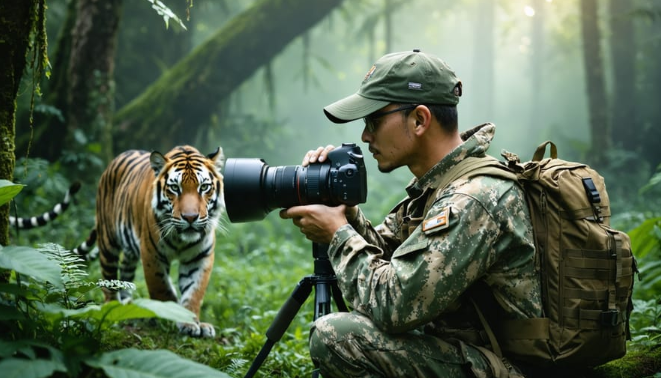
There’s something magical about photographing wildlife. Whether it’s the subtle flick of a kangaroo’s tail, a flock of birds soaring at dawn, or the vibrant colours of native reptiles, wildlife photography captures moments that often go unnoticed. But taking photos in the wild isn’t as simple as pointing and clicking. It requires patience, technique, and an understanding of animal behaviour — and that’s where a wildlife photography course comes in.
A wildlife photography course isn’t just about learning how to use your camera. It’s about developing the skills, mindset, and knowledge to capture stunning images while respecting the natural environment. From beginners wanting to improve their snapshots to enthusiasts aiming for professional-quality results, the right course can transform your passion into both art and skill.
In this article, we’ll explore how a wildlife photography course equips you to photograph animals confidently, ethically, and creatively.
1. Understanding Wildlife and Its Environment
Photography isn’t just about cameras — it’s about observation. A wildlife photography course teaches you to truly see your subjects and understand their behaviours. Knowing when and where to capture animals in their natural habitats can make all the difference.
Observing Animal Behaviour
One of the most important skills you’ll learn is patience. Animals are unpredictable, and a sudden movement can either create a perfect shot or scare them away. Courses often teach:
- How to read animal body language
- Identifying patterns in wildlife activity
- Using environmental cues to anticipate behaviour
Learning Natural Lighting
Lighting is critical in wildlife photography. A wildlife photography course shows how to:
- Use natural light to your advantage
- Shoot at dawn or dusk for softer, dramatic effects
- Adjust camera settings to handle changing light conditions
By understanding the environment and its influence on your subject, you can create images that tell a story, rather than just documenting an animal’s presence.
2. Mastering Technical Photography Skills
Capturing wildlife requires more than luck; it requires technical expertise. A wildlife photography course covers the essential camera skills and techniques needed to produce professional-quality images.
Camera Settings and Composition
Courses teach how to:
- Choose the right lens for different types of wildlife
- Adjust shutter speed, aperture, and ISO for fast-moving animals
- Frame subjects using the rule of thirds, leading lines, and depth of field
Advanced Techniques
Beyond the basics, a course will often include:
- Action shots for birds or mammals in motion
- Macro photography for insects or small reptiles
- Long exposure techniques for creative effects
By mastering these techniques, you move from taking average photos to creating images that stand out in both galleries and social media.
Editing and Post-Production
Photography doesn’t end at the shutter. A wildlife photography course often includes lessons on editing software, covering:
- Colour correction and enhancing natural tones
- Cropping and composition adjustments
- Removing distractions without altering the authenticity of the scene
These skills ensure your images are polished while remaining true to nature.
3. Ethical and Sustainable Practices
One of the most valuable lessons in a wildlife photography course is ethical behaviour. Respecting wildlife and their habitats isn’t just responsible — it also leads to better photography.
Minimising Disturbance
Courses emphasise:
- Maintaining a safe distance from animals
- Avoiding disruption of feeding, nesting, or mating behaviours
- Using hides or blinds to observe without intrusion
Responsible Travel and Habitat Protection
Learning about local ecosystems and conservation helps photographers reduce their impact on the environment. The Australian Government’s Department of Agriculture, Fisheries and Forestry provides guidance on interacting responsibly with wildlife, ensuring photographers can pursue their passion safely and sustainably.
🔗 Read more about responsible wildlife interaction
By combining skill with ethical practice, your photography becomes more than just visually appealing — it supports conservation and fosters respect for the natural world.
See also: Small Steps, Big Changes: How Tiny Health Habits Transform Your Life
4. From Passion to Portfolio: Showcasing Your Work
A wildlife photography course not only builds skills but also helps you develop a portfolio that can lead to opportunities. Whether your goal is social media, competitions, publications, or professional work, a strong portfolio is essential.
Building a Portfolio
Courses teach you how to:
- Select your best work to highlight your style and skill
- Sequence images to tell a story
- Maintain consistency in lighting, colour, and theme
Sharing and Networking
Many courses provide opportunities to connect with other photographers, mentors, and industry professionals. This network can help you:
- Get feedback and improve your craft
- Find exhibition or publication opportunities
- Collaborate on projects or guided photography tours
Monetisation Opportunities
With a well-curated portfolio, you can explore ways to monetise your work:
- Selling prints or digital images
- Working with tourism boards, magazines, or brands
- Offering photography workshops or tours
Video Inspiration
Here’s a great YouTube video to see wildlife photography techniques in action:
https://www.youtube.com/watch?v=cZX63GijH2E
It demonstrates practical tips for capturing wildlife moments while respecting animals and their habitats — complementing what you learn in a wildlife photography course.
Conclusion
Wildlife photography is more than a hobby — it’s an art, a skill, and a way to connect with nature. A wildlife photography course provides the tools, knowledge, and ethical guidance to turn your passion into stunning images.
From understanding animal behaviour and mastering technical photography skills to ethical practice and portfolio development, a course equips you to photograph wildlife confidently and responsibly. Whether your goal is to share your work online, enter competitions, or pursue a professional career, the lessons learned in a wildlife photography course are invaluable.
If you’ve ever wanted to capture the beauty of the natural world and make your photography stand out, enrolling in a wildlife photography course could be the first step toward creating images that inspire, educate, and impress.
🔗Learn more about the Wildlife Photography Course here