AC Maintenance: The Complete Guide to Keeping Your Air Conditioner Efficient and Long-Lasting

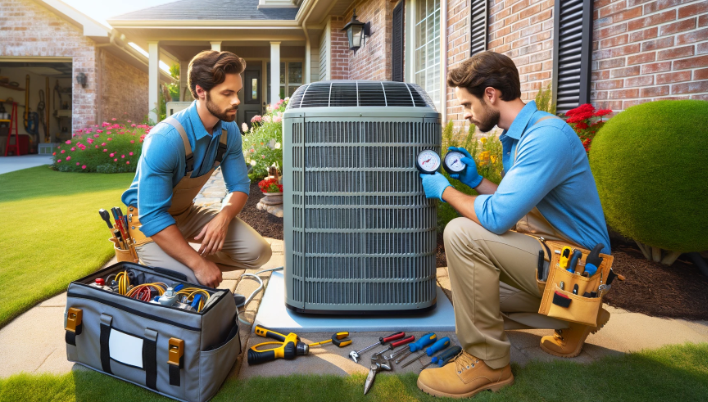
Air conditioning systems have become an essential part of modern homes and workplaces, especially in regions with hot climates. However, many people only pay attention to their air conditioner when it stops working or starts performing poorly. Regular AC maintenance is crucial to ensure your system runs efficiently, provides consistent cooling, and lasts for many years. Proper maintenance not only improves performance but also reduces energy consumption, prevents costly repairs, and maintains healthy indoor air quality.
What is AC Maintenance?
AC maintenance refers to the routine inspection, cleaning, and servicing of an air conditioning system to ensure it operates efficiently and safely. Over time, dust, debris, and wear can affect the performance of the unit. Maintenance helps detect minor issues before they turn into major problems. A well-maintained air conditioner cools more effectively, uses less electricity, and experiences fewer breakdowns.
Regular AC maintenance involves checking different components such as filters, coils, refrigerant levels, electrical connections, drainage systems, and thermostat functionality. When these parts are cleaned and adjusted properly, the entire cooling system works smoothly and efficiently.
Why AC Maintenance is Important
Many homeowners underestimate the importance of maintaining their air conditioner until they face a sudden breakdown during extremely hot weather. Routine maintenance offers several significant benefits.
First, it improves energy efficiency. When filters and coils are clean, the AC system does not need to work as hard to cool the space. This reduces energy usage and lowers electricity bills.
Second, maintenance extends the lifespan of the unit. Air conditioners are a major investment, and regular servicing ensures the components remain in good condition for a longer period.
Third, AC maintenance improves indoor air quality. Dirty filters and coils can circulate dust, allergens, and bacteria inside the home. Cleaning these components ensures cleaner and healthier air.
Fourth, regular maintenance helps detect potential problems early. Small issues such as refrigerant leaks, loose electrical connections, or clogged drains can be fixed quickly before they cause major system failures.
Finally, proper maintenance ensures consistent cooling performance. An air conditioner that receives routine care maintains stable temperatures and better humidity control.
Key Components Checked During AC Maintenance
Professional AC maintenance includes a detailed inspection and servicing of several important components of the air conditioning system.
One of the most important parts is the air filter. Filters trap dust, dirt, and airborne particles. When filters become clogged, airflow is restricted, forcing the system to work harder. Cleaning or replacing filters regularly keeps airflow strong and efficient.
Another crucial component is the evaporator coil. This coil absorbs heat from the indoor air. Over time, dust can accumulate on the coil surface, reducing its ability to absorb heat. Cleaning the coil restores efficient cooling.
The condenser coil, located in the outdoor unit, releases heat collected from inside the building. Dirt and debris around the condenser can block heat transfer. Maintenance includes cleaning the condenser coil and ensuring proper airflow around the outdoor unit.
Technicians also check refrigerant levels during maintenance. Refrigerant is the substance responsible for absorbing and releasing heat in the cooling cycle. Low refrigerant levels may indicate leaks and can significantly reduce cooling efficiency.
The thermostat is another key element. It controls the temperature and communicates with the AC system. Proper calibration ensures the thermostat accurately maintains the desired indoor temperature.
Electrical components such as capacitors, wiring, and connections are inspected to ensure safe operation. Loose or damaged electrical parts can cause system malfunctions or safety hazards.
Drainage systems are also checked to prevent water leaks and moisture problems. The condensate drain removes excess moisture produced during cooling. If it becomes clogged, it can cause water damage or mold growth.
See also: Many Online Communities Celebrate and Share Life Hacks.: Many Online Communities Celebrate
How Often AC Maintenance Should Be Done
Experts recommend scheduling professional AC maintenance at least once or twice a year. Ideally, the system should be serviced before the start of the summer season when the air conditioner will be used most frequently.
In areas with extremely hot climates where AC units run for long hours, more frequent maintenance may be beneficial. Regular inspections ensure the system remains in peak condition throughout the year.
Homeowners can also perform simple maintenance tasks such as cleaning filters monthly and keeping the outdoor unit free from debris.
Signs Your AC Needs Maintenance
Sometimes an air conditioner shows warning signs indicating it requires maintenance. Ignoring these signals can lead to more serious problems.
One common sign is reduced cooling performance. If the AC runs continuously but the room does not cool properly, there may be airflow issues, refrigerant problems, or dirty coils.
Unusual noises such as grinding, buzzing, or rattling can indicate loose or worn components. These sounds should be investigated quickly to prevent damage.
Higher electricity bills can also suggest the AC system is struggling due to dirty filters, blocked coils, or inefficient operation.
Weak airflow from vents may indicate clogged filters, duct problems, or fan issues.
Bad odors coming from the air conditioner can be caused by mold, bacteria, or accumulated dirt inside the system.
Water leakage around the indoor unit is another sign that the condensate drain may be clogged.
Addressing these issues early through proper AC maintenance helps prevent expensive repairs and system failure.
DIY AC Maintenance Tips for Homeowners
While professional servicing is important, homeowners can perform basic maintenance to keep their AC system functioning efficiently.
One of the easiest tasks is regularly cleaning or replacing the air filter. A clean filter improves airflow and cooling performance.
Keeping the outdoor condenser unit clean is also important. Leaves, dust, and debris should be removed from around the unit to maintain proper airflow.
Homeowners should also ensure that vents and registers inside the house are not blocked by furniture or curtains. Clear airflow allows the system to distribute cool air evenly.
Checking the thermostat settings helps maintain energy efficiency. Programmable thermostats can automatically adjust temperatures when the home is empty.
Cleaning around indoor vents and removing dust from air grilles can also improve indoor air quality.
Although these tasks help maintain performance, technical inspections and repairs should always be handled by trained professionals.
Professional AC Maintenance Services
Professional AC maintenance services involve a thorough inspection and servicing process that goes beyond basic cleaning. Experienced technicians have the tools and knowledge to identify hidden issues and optimize system performance.
During a professional maintenance visit, technicians usually inspect refrigerant levels, clean coils, lubricate moving parts, tighten electrical connections, test system controls, and check overall cooling efficiency.
They may also measure airflow, inspect ductwork, and ensure the compressor and fan motors are operating correctly.
Professional servicing not only improves efficiency but also ensures the air conditioning system operates safely and reliably.
Energy Efficiency and AC Maintenance
Energy efficiency is one of the biggest advantages of proper AC maintenance. When an air conditioner operates efficiently, it consumes less electricity while delivering better cooling performance.
Dirty components force the system to run longer cycles to reach the desired temperature. This increases energy consumption and puts additional strain on the equipment.
Regular maintenance ensures that airflow remains strong, coils transfer heat effectively, and the system maintains optimal refrigerant levels. These factors significantly reduce energy waste and lower utility bills.
In addition, maintaining the system helps reduce the environmental impact by lowering energy usage and extending the life of the equipment.
Long-Term Benefits of Regular AC Maintenance
Investing in routine AC maintenance provides long-term benefits that go beyond immediate cooling performance. A well-maintained air conditioning system experiences fewer breakdowns, requires fewer repairs, and operates more reliably.
Regular servicing also protects the manufacturer’s warranty in many cases, as some warranties require proof of routine maintenance.
Another important benefit is improved comfort. Properly maintained AC systems provide consistent temperatures, balanced airflow, and better humidity control.
Homeowners also enjoy peace of mind knowing their cooling system is functioning safely and efficiently, especially during the hottest months of the year.
Conclusion
AC maintenance is an essential part of keeping your air conditioning system efficient, reliable, and long-lasting. Routine inspection, cleaning, and servicing ensure the system operates at peak performance while reducing energy costs and preventing unexpected breakdowns. From improving indoor air quality to extending equipment lifespan, regular maintenance offers numerous advantages for homeowners and businesses alike. By combining simple DIY care with professional servicing, you can keep your air conditioner running smoothly and enjoy comfortable indoor temperatures throughout the year.