
Introduction
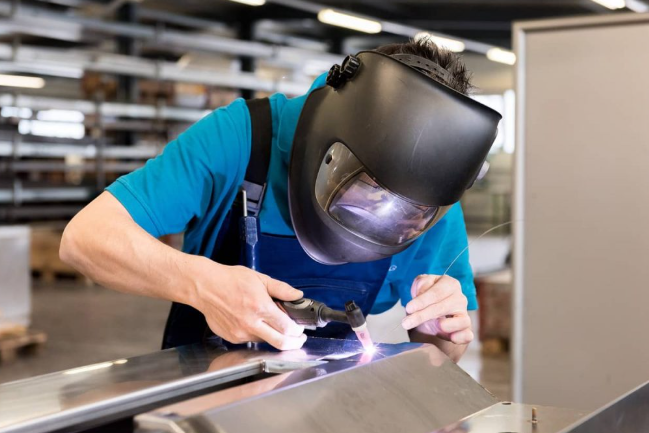
Metal fabrication is a highly specialized industry that relies on precision machinery to produce components for various sectors, including automotive, aerospace, and construction. Among the most critical pieces of equipment in a fabrication shop is the press brake, which bends and shapes metal sheets with high accuracy. While press brakes are essential for efficiency and quality, they also present significant hazards to operators. Ensuring safety is not just a regulatory requirement; it is a crucial factor in maintaining workforce well-being and operational productivity. This article explores key practices, technologies, and guidelines for maintaining safety in press brake operations, with attention to compliance with press brake osha standards.
Understanding Press Brake Hazards
Common Risks
Press brakes operate by applying substantial force to bend metal, which creates several hazards in the workplace:
- Crushing Injuries: The moving ram and die can trap hands, fingers, or other body parts.
- Shearing Points: Contact between the punch and die creates dangerous shearing zones.
- Flying Debris: Loose metal or worn tooling can be ejected, posing a risk to eyes and body.
- Mechanical Failures: Faulty components or misaligned tooling can result in unexpected machine movement, increasing the risk of injury.
Recognizing these hazards is the first step in implementing an effective safety strategy.
Real-Life Example
In one manufacturing facility, an operator attempted to adjust a metal sheet during a press cycle without ensuring the machine was fully stopped. A minor injury occurred, highlighting the need for proper safeguarding and adherence to safety protocols. Such incidents emphasize that even experienced personnel require consistent enforcement of safety measures.
The Role of OSHA in Press Brake Safety
OSHA Guidelines and Requirements
The Occupational Safety and Health Administration (OSHA) provides comprehensive guidelines to protect workers from machinery hazards. While press brakes do not have a dedicated standard, they are covered under general machine guarding regulations. OSHA emphasizes that employers must:
- Install proper guards to prevent access to hazardous areas
- Maintain functional emergency stop systems
- Train employees in safe operation and hazard recognition
- Conduct regular inspections and maintenance
Compliance with these guidelines is mandatory to ensure workplace safety and to prevent potential legal or financial repercussions.
Employer Responsibilities
Employers are accountable for maintaining a safe working environment. Their responsibilities include:
- Performing risk assessments for press brake operations
- Installing and maintaining appropriate guarding systems
- Providing thorough training on safe machine use
- Documenting inspections, maintenance, and incidents
By adhering to press brake osha standards, employers can reduce accidents and foster a culture of safety.
Safety Technologies for Press Brake Operations
Guarding Systems
Modern press brakes are equipped with various safety devices to reduce risk, including:
- Fixed Guards: Permanent barriers that prevent access to dangerous areas.
- Interlocked Guards: Devices that stop the machine when the guard is opened.
- Presence-Sensing Systems: Light curtains, pressure mats, or two-hand controls ensure the machine cannot operate if an operator is in the danger zone.
These technologies serve as essential layers of protection beyond operator vigilance.
Advanced Laser Safety Systems
Laser-based safety systems are increasingly popular for press brake operations. These systems create invisible light curtains around the press area. If an operator’s hand or body part interrupts the laser field, the machine automatically halts, reducing the likelihood of injury. Unlike physical barriers, laser systems allow full visibility and easy handling of workpieces while maintaining safety.
Benefits of Advanced Safety Devices
- Rapid response to operator presence in hazardous areas
- Enhanced visibility of the workpiece and tooling
- Minimal obstruction during operation
- Reduced risk of accidental machine activation
Incorporating these devices aligns with OSHA recommendations and improves both safety and efficiency.
See also: News Scookietech: News: Scookietech for Latest Technology Updates
Training and Education
Initial Operator Training
Proper training is critical for effective press brake safety. Employees should be trained to:
- Recognize hazards and danger zones
- Understand the functions and limitations of guards and safety devices
- Perform correct machine setup and operation
- Respond to emergencies effectively
Hands-on demonstrations and practical exercises reinforce theoretical knowledge and enhance operator confidence.
Continuous Learning
Safety is not a one-time effort. Regular refresher courses keep operators updated on new procedures, technology, and lessons learned from past incidents. Scenario-based training, such as simulating a malfunction or emergency, helps operators practice safe responses in a controlled environment.
Mentorship Programs
Pairing new employees with experienced operators fosters practical learning. Mentors can guide correct behavior, highlight risks, and reinforce the importance of adhering to press brake osha standards.
Fostering a Safety-Focused Workplace Culture
Leadership Commitment
Safety culture begins with management. Supervisors must actively participate in safety initiatives, conduct regular inspections, and recognize employees who demonstrate safe practices. When leadership visibly prioritizes safety, it sets the tone for the entire workforce.
Employee Engagement
Employees should feel empowered to report hazards or suggest improvements. Formal reporting systems, regular safety meetings, and open communication channels ensure that issues are identified and addressed promptly.
Daily Safety Practices
Incorporating short daily routines, such as pre-shift inspections, toolbox talks, and hazard assessments, helps maintain constant awareness of safety. These practices, though brief, significantly reduce the risk of accidents.
Inspection and Maintenance
Regular Equipment Checks
Routine inspections are essential to detect potential hazards before they result in accidents. Key inspection areas include:
- Machine guards and interlocks
- Emergency stop systems
- Tooling and dies
- Hydraulic and electrical components
Maintaining detailed inspection logs ensures accountability and compliance with press brake osha standards.
Preventive Maintenance
Scheduled maintenance keeps the press brake and its safety devices functioning properly. Preventive measures include lubrication, component replacement, sensor calibration, and cleaning. Proactive maintenance prevents minor issues from becoming serious safety risks.
Incident Response
Immediate Actions
In the event of an accident or near miss, operators should stop the machine immediately, provide first aid if necessary, and secure the area to prevent further harm.
Investigation and Corrective Measures
A thorough investigation identifies root causes and contributing factors. Sharing findings with employees helps prevent similar incidents and reinforces a culture of continuous improvement.
Learning and Improvement
Continuous learning from incidents ensures safety procedures evolve with the workplace. Employees can provide insights, and management can adjust training programs and safety protocols accordingly.
Conclusion
Press brakes are indispensable tools in metal fabrication, offering precision and efficiency. However, they present significant hazards that require careful attention. Prioritizing press brake osha compliance through advanced safety technologies, comprehensive training, rigorous maintenance, and a culture of safety is essential. By adopting these practices, manufacturers protect their workforce, maintain operational efficiency, and foster a work environment where safety and productivity go hand in hand. Safety is not merely a requirement—it is a commitment that benefits employees, employers, and the industry as a whole.





One Comment