The Blueprint for Trust: Understanding What is NSF Certification in Supplement Manufacturing

In the high-velocity health and wellness industry of 2026, the gap between a successful brand and a failed venture is often defined by a single factor: transparency. With over 100,000 products currently vying for attention in the U.S. dietary supplement market, consumers are increasingly overwhelmed and skeptical. Statistics show that nearly half of all adults and a third of children now use supplements daily, yet the industry remains one of the most scrutinized by regulatory bodies.
For any brand owner or manufacturer, the most critical question to answer is: What is NSF Certification, and why has it become the essential gatekeeper for global retail success?
Defining the Standard: What is NSF Certification?
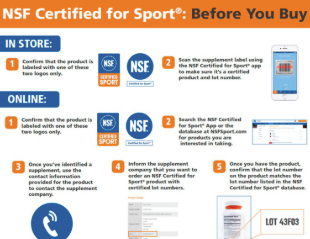
When industry professionals discuss What is NSF Certification, they are referring to a comprehensive third-party validation process managed by NSF International. As an independent public-health organization, NSF sets consensus-based standards and performs rigorous site audits and laboratory testing.
For a manufacturing facility, being NSF certified means their operations and products have been evaluated against the NSF/ANSI 173 standard—the only American National Standard for dietary supplements. This process is designed to safeguard consumers against harmful contaminants or mislabeled ingredients.
Navigating the Regulatory Landscape: NSF vs. GMP vs. FDA
It is a common misconception that FDA oversight is sufficient for quality assurance. To truly understand What is NSF Certification, one must distinguish it from other regulatory tiers:
| Feature | FDA Oversight | GMP (21 CFR Part 111) | NSF Product Certification |
| Primary Role | Federal regulator; enforces laws but does not “approve” supplements. | Legally required manufacturing practices for all firms. | Independent third-party certification involving lab testing. |
| Testing | Does not routinely test products pre-market. | Firms must establish their own specs and testing. | NSF tests finished products to guarantee label claims. |
| Audits | Conducts inspections for compliance. | Required by regulation; subject to FDA inspection. | Required initial and periodic audits (annual/bi-annual). |
| Outcome | Compliance status or warning letters. | Firm is in compliance. No product mark. | Product earns the NSF mark and public listing. |
Why NSF Certification is the Industry’s “Gold Standard”
Understanding What is NSF Certification is essential because it addresses the three biggest risks in supplement manufacturing: safety, trust, and market access.
1. Verification of Purity and Potency
The NSF/ANSI 173 standard ensures that what is claimed on the label is genuinely in the bottle. This includes rigorous screening for heavy metals, microbial activity, and pesticides. For athletes, the “Certified for Sport” designation is even more critical, as it screens for over 290 banned substances to minimize doping risks.
2. Retailer Gatekeeping
Modern retailers no longer take a brand’s word for its quality. Major players like Amazon now mandate third-party verification for dietary supplements. Similarly, CVS requires third-party testing for label accuracy and contaminants across thousands of products. Without knowing What is NSF Certification and achieving it, a brand may find its listings blocked or its shelf space revoked.
3. Global Regulatory Alignment
The use of NSF/ANSI 455-2 helps standardize GMP audits, reducing the need for duplicate inspections. Because this certification is backed by ISO/IEC 17065-accredited organizations, it simplifies the process of securing export documentation for international markets.
Core Requirements for a Certified Manufacturer
A manufacturer does not earn this certification easily. It requires a long-term commitment to several core operational requirements:
- Continuous GMP Compliance: Manufacturers must follow FDA cGMPs (21 CFR Part 111) for complete process control, verified by standardized NSF checklists.
- Rigorous Ingredient Testing: Every lot of dietary ingredients must pass identity, purity, and strength tests. Labs must verify Certificates of Analysis (COAs) to catch undeclared contaminants.
- Label Accuracy: A formal label-claim review ensures that the dosage listed matches what the laboratory finds in the final batch.
- Unannounced Inspections: Certification is not a “one-and-done” event. Facilities undergo annual on-site audits and periodic re-testing to maintain their status.
For more details on these specific compliance steps, you can explore this technical guide on what is NSF certified.
Strategic Benefits: Risk Management and Brand Growth
For a brand, the decision to work with an NSF-certified partner is a move toward defensible, regulator-aligned operations.
- For Consumers: It provides a public listing where they can verify that the product they are putting in their bodies is free from adulteration.
- For Risk Management: Given that dietary supplement adverse events cause roughly 23,000 emergency room visits annually in the U.S., having end-to-end quality control and lot traceability is the best way to lower legal risks and shorten response times during a recall.
- For Market Access: The $63.63 billion U.S. supplement industry is growing rapidly. NSF certification ensures that as the market expands, your brand remains eligible for the most profitable distribution channels.
Choosing the Right Manufacturing Partner
Vetting a manufacturer requires looking beyond their sales deck. You must evaluate their Minimum Order Quantities (MOQs), which often start around 5,000 units, and their lead times, which can range from 14 to 18 weeks for new runs. Whether you choose “Private Label” for speed or “Custom Formulation” for unique market differentiation, ensure that the facility maintains a mature Quality Management System (QMS).
Ultimately, knowing What is NSF Certification allows you to build a brand on a foundation of scientific integrity rather than just marketing. In a world where trust is the ultimate currency, the blue NSF mark is your most valuable asset.